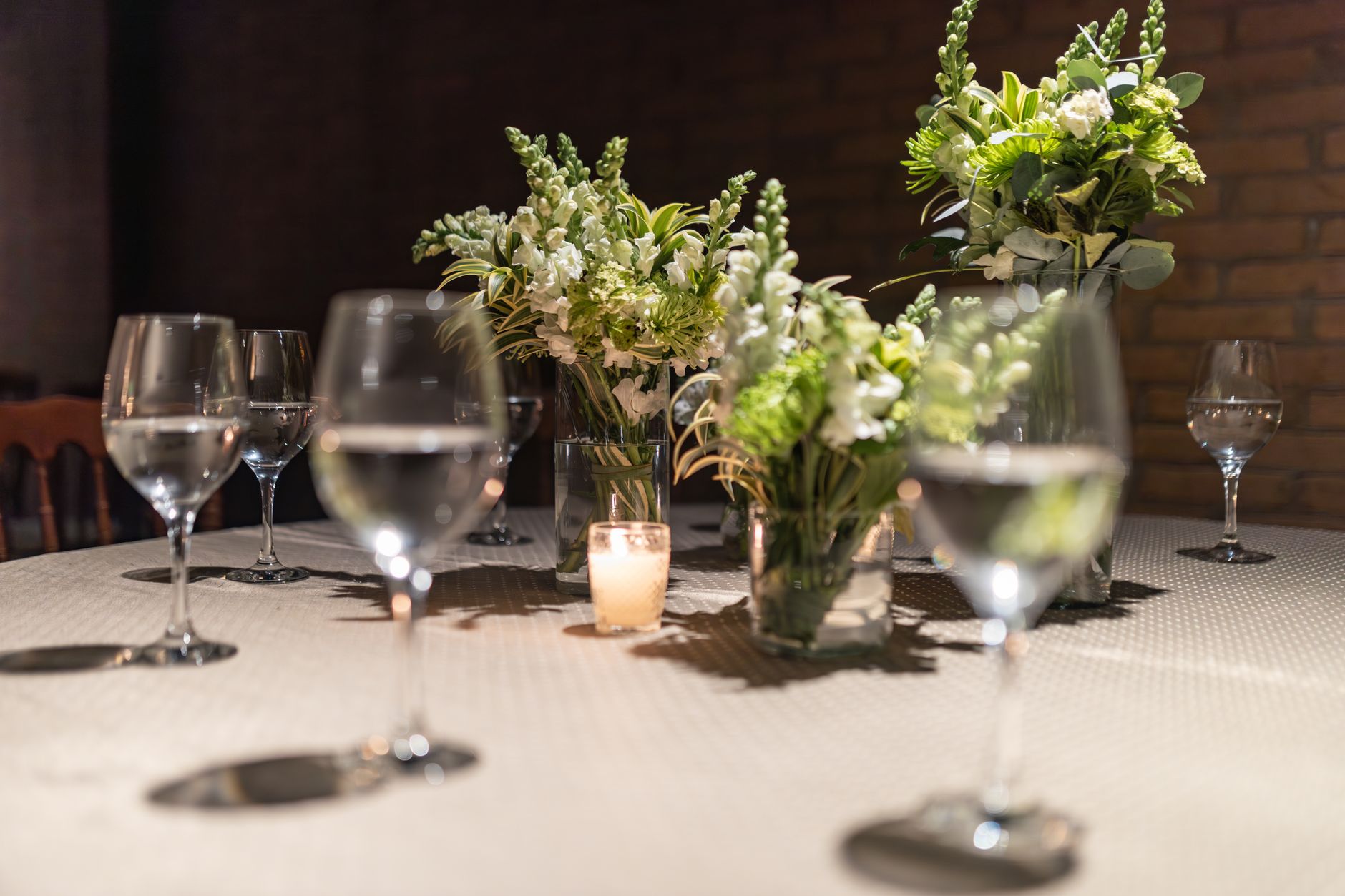
The Lower East Side's best full dining experiences combine inventive cocktails, seasonal menus, and private dining options under one roof. 8282, a Michelin Bib Gourmand Korean fusion restaurant, leads the neighborhood with dishes like boneless Korean fried chicken and a signature gochujang margarita, all at prices well under $100 (ny.eater.com) per person.
Published: September 24, 2026 | Last Updated: September 24, 2026
What Makes the LES Dining Scene Distinct From the Rest of Manhattan?
The Lower East Side operates by different rules than the rest of Manhattan. Midtown serves power lunches. The Upper East Side caters to established wealth. The LES rewards curiosity. Independent chef-operators take genuine creative risks here because the neighborhood's culture demands it. The density of compelling restaurants along Orchard, Eldridge, and Norfolk Streets means diners can walk from one inventive concept to the next without hailing a cab. New York City added over 1,200 new restaurant establishments in 2024 alone. The LES absorbed a disproportionate share of the most ambitious ones. Manhattan hosts 6,418 licensed food establishments as of Q1 2025. The concentration of Michelin-recognized, chef-driven spots in this particular corridor is remarkable. Michelin Bib Gourmand awards signal serious culinary ambition at accessible price points, and the LES holds more than its share. The Bib Gourmand list in New York stands at 102 restaurants (blog.eightwoeightwo.com), and the LES is one of the most represented neighborhoods on that list. The scene is cheaper, grittier, and more experimental than anything uptown, and that is precisely the point.
How the LES Became Manhattan's Most Exciting Dining Corridor
The LES has spent a century reinventing itself. It began as a tenement district for immigrant communities, became a late-night dive-bar corridor in the 1990s, and has spent the last decade transforming into one of New York's most serious food destinations. Independent chef-operators chose the LES because rents allowed creative risks. The West Village and Tribeca made such risks impossible. That culture of creative risk-taking is now baked into the neighborhood's identity. You will not find many corporate restaurant groups on these blocks. What you will find are chefs who source from specific farms. They develop cocktail programs around fermented Korean ingredients. They change their menus when the produce tells them to.
Which Cuisines and Concepts Define the LES Right Now?
Korean fusion, Bangladeshi-American, natural wine, and hyper-seasonal small plates dominate the current LES landscape. Korean restaurant locations across the US have increased 10% (blog.eightwoeightwo.com) in the past year. 36% of locations are concentrated in key markets like New York City. The LES has emerged as the creative epicenter of that trend in Manhattan. At 84 Stanton St, 8282 holds a singular position as the neighborhood's Michelin Bib Gourmand Korean fusion standout, recognized since 2023. Restaurants like Dhamaka, Cervo's, Wildair, and Wayla reflect the LES's appetite for bold, globally rooted Korean fusion dining that refuses easy categorization. Korean restaurants now account for 12 Michelin-starred venues in New York, representing 17% of the total starred restaurants in the city (blog.eightwoeightwo.com). That figure tells you something real about where the culinary center of gravity sits right now.
Signature Cocktails Worth Ordering on the Lower East Side
The best LES cocktail programs are built around culturally specific ingredients and genuine culinary philosophy, not generic craft formulas. This is a neighborhood where a chef's approach to fermentation shows up in the glass as much as on the plate. On the LES specifically, the best cocktail menus signal a restaurant's full culinary identity rather than functioning as a separate bar program bolted onto the dining room. Bars along Orchard and Eldridge Streets get genuinely crowded on weekends. This is especially true after 9 PM. Arrive before 8 PM for a quieter setting. Visit midweek for a better experience. The quality of the drink does not change, but your ability to actually taste it does.
Why 8282's Gochujang Margarita Has Become a Neighborhood Benchmark
At 8282, the gochujang margarita is not a gimmick. The Infatuation specifically praised it as a highlight. We built the drink to reflect a core philosophy. Every dish we serve uses Korean ingredients reframed through a playful, globally literate lens. Gochujang, the fermented Korean chili paste, brings heat, depth, and a faint sweetness that integrates with citrus and tequila in a way that no standard margarita riff achieves. The drink pairs directly with the boneless Korean fried chicken in sticky garlic-soy and the cheesy dakgalbi kimchi-bap, creating a cohesive flavor story across the meal. That intentional pairing is what elevates it from novelty to benchmark. Korean rice wine (makgeolli) also appears elsewhere in our beverage program, and its presence signals a commitment to the full flavor vocabulary of Korean cuisine. Kooksoondang shipped 2.8 million liters of makgeolli overseas in 2022 (blog.eightwoeightwo.com), a figure that reflects how seriously global diners have come to take these ingredients.
!Shrimp and Korean rice wine at 8282 Lower East Side Korean rice wine (makgeolli) alongside seasonal small plates at 8282, Lower East Side. Photo: 8282
How to Pair LES Cocktails With Seasonal Small Plates
Fermented, spicy, and umami-rich cocktails pair well with fried and braised dishes. That is the framework we use at 8282, and it applies across the neighborhood's best restaurants. Low-acid natural wines, which Wildair and Cervo's have championed on the LES for years, complement the bolder fermented flavors common in Korean fusion cooking without overwhelming them. At Cervo's, the Iberian-influenced vermouth and wine program is designed around seafood-forward small plates, which is a different pairing logic than what we do, but equally deliberate. Asking your server for a cocktail-to-dish pairing recommendation is standard practice at chef-driven LES spots. The best servers at these restaurants have strong opinions. Trust them.
Seasonal Menus on the LES: What to Expect and Why It Matters
Chef-driven LES restaurants rotate their menus based on seasonal produce. They respond to creative direction, not corporate mandates. They ignore marketing cycles. This is one of the clearest differences between dining here and dining at a larger restaurant group elsewhere in Manhattan. Seasonal or chef-driven restaurants are easy to identify on the LES. Look for menus printed on paper, not laminated. Look for short lists rather than long ones. Look for servers who can speak to sourcing. The Michelin Guide described 8282's team as one that "springboards into uncharted waters" with "creative, bold dishes, all of which beg to be shared." That language captures exactly what seasonal menus at the best LES restaurants feel like: you are eating something that exists because a chef made a decision this week, not because a dish tested well in a focus group last year. New York closed out 2025 with 72 Michelin-starred restaurants (blog.eightwoeightwo.com), and the starred and Bib Gourmand restaurants on the LES are among the most committed to seasonal sourcing in that group.
How Does 8282 Approach Its Seasonal Menu?
At 8282, the shared-plates format makes seasonal changes feel cohesive rather than disruptive. When we rotate dishes, the whole table experiences the shift together, which is very different from a plated-entrée restaurant where one person gets a new dish and three others are eating something familiar. Michelin Guide inspectors noted our willingness to experiment with "creative, bold dishes that beg to be shared," and that observation is accurate. Our approach is to anchor the menu around a few dishes that regulars rely on, like the boneless Korean fried chicken, while rotating surrounding plates to reflect what is actually in season. A guest who visited in spring and returns in fall will recognize the restaurant's identity immediately but find genuine novelty in half the menu. That is the balance we aim for. Returning guests come back monthly for this reason, not annually.
Which LES Restaurants Change Their Menus Most Frequently?
Several LES restaurants stand out for the frequency and intentionality of their menu changes. Wildair and Cervo's are known for produce-driven updates tied closely to what is available from their suppliers, sometimes changing daily specials mid-week. Atoboy and Atomix at the higher end of Korean dining in New York update their tasting formats on a regular seasonal cycle, which is part of why both maintain serious critical reputations. Wayla rotates Thai-inspired dishes to reflect seasonal herb and vegetable availability, making it one of the few Thai restaurants in Manhattan where the menu genuinely changes by season. Dirt Candy's vegetable-forward approach means its menu shifts dramatically as seasons turn, since the entire concept depends on what produce is compelling right now. Frequent menu changes are a marker of culinary seriousness on the LES, not a sign of instability. They signal a kitchen that is actually cooking.
Private Dining and Intimate Event Spaces on the Lower East Side
The LES offers a private dining experience that no Midtown ballroom or hotel event space can replicate. Chef-driven restaurants here accommodate small private events with the same culinary creativity guests experience during regular service, at price points that are genuinely more accessible than comparable Tribeca or Flatiron venues. Restaurant buyouts and semi-private arrangements have become increasingly common for birthdays, proposals, work dinners, and friend group celebrations across Orchard, Eldridge, and Norfolk Streets specifically. The trade-offs are real and worth naming: LES private dining rooms are typically intimate by necessity, with capacity ranging from 10 to 40 guests, rather than the 100-plus that a hotel ballroom offers. That intimacy is the point. The Michelin Guide described 8282's space at 84 Stanton St as a "rambunctious little restaurant in the Lower East Side," and that energy translates well to group dining. Our shared-plates format encourages communal energy around the table in a way that individually plated meals rarely achieve. Le French Diner and Casa Mono also offer intimate atmospheres well suited to small group dinners, each with their own distinct culinary identity.
What Should You Ask Before Booking a Private Dining Event on the LES?
The right questions make the difference between a successful private event and a frustrating booking experience. Ask about minimum food and beverage spend first, not a flat room fee. Most LES restaurants structure private events around a per-person minimum rather than a separate room charge, which keeps the math transparent. Confirm whether the kitchen can accommodate dietary restrictions within a set menu format, since chef-driven seasonal menus are built around specific ingredients and substitutions can be limited. Clarify the advance notice required: popular small restaurants on the LES frequently book private events four to eight weeks ahead, and weekend dates disappear faster. Ask whether the cocktail and wine program is included or priced separately, since beverage minimums are often structured independently from food. At 8282, we recommend calling us directly at +1 929 837 0360 to discuss group arrangements, since event availability is not always reflected in the Resy reservation system.
How Does Intimate Restaurant Dining Differ From Traditional Private Event Spaces?
Restaurant buyouts offer something that banquet halls and hotel event rooms cannot replicate: a curated culinary identity. When you book a private event at a chef-driven LES restaurant, you are booking that kitchen's point of view. The seasonal creativity guests experience during regular service carries directly into private event menus. The ambiance of a neighborhood restaurant, worn wood, close tables, a genuine bar program, provides warmth and personality that purpose-built event spaces often flatten into generic professionalism. For corporate dinners specifically, an intimate LES restaurant communicates cultural awareness and good taste in a way that a hotel ballroom does not. Guests remember where the food was remarkable.
How to Plan a Full Evening Out on the Lower East Side
A well-planned LES evening has a clear structure. Start with dinner at a Michelin-recognized restaurant. Then take a short walk to a natural wine bar or cocktail lounge. Late-night bites are available if the night extends. We recommend 8282 as the anchor for the dining portion. Our Michelin Bib Gourmand recognition since 2023, creative cocktail program built around the gochujang margarita, and shareable menu format make us a strong foundation for a longer night out. The LES's walkable density is significant along Stanton, Rivington, and Orchard Streets. Guests can move from dinner at 8282 to Wildair for natural wine without needing transportation. They can visit Kisa for late-night Korean bites just as easily. That walkability is a genuine advantage over Midtown. The Upper East Side requires a cab between venues. The Infatuation's coverage of 8282 positions us specifically as a strong date-night anchor, calling out the gochujang margarita and Korean fried chicken as highlights of the experience. There are 27 anticipated restaurant openings tracked in New York City for 2026 (theinfatuation.com), so the neighborhood's momentum shows no signs of slowing.
What Is the Ideal Sequence for a Date Night Anchored at 8282?
Here is a concrete scenario for a Friday date night that we see work well repeatedly. Consider a couple in their early thirties meeting for the first time. They matched on a dating app. One works in creative direction at an ad agency in SoHo. The other works in publishing in Midtown. Both want to signal cultural curiosity. A Michelin Bib Gourmand Korean fusion dinner on the LES accomplishes exactly that, positioning 8282 as the kind of neighborhood gem that shows good taste without the stuffiness of Fine Dining with a capital F. Arrive at 8282 at 7:00 PM with a Resy reservation made one to two weeks in advance. Open with the gochujang margarita while you settle in. Order the boneless Korean fried chicken and the cheesy dakgalbi kimchi-bap as table anchors, adding one or two rotating seasonal plates based on your server's recommendation. Plan for 90 minutes. The Michelin Bib Gourmand designation means the full dinner experience, including cocktails, is achievable well under $100 (ny.eater.com) per person. After dinner, walk north on Orchard Street to Wildair for a glass from their natural wine list, or south toward Cervo's for a vermouth-forward nightcap. Wayla and Kisa are both within easy walking distance for late-night Thai or Korean small plates if the evening calls for it. This is a complete evening without a single ride-share. You can see the anju and banju on 8282's menu.
How Far in Advance Should You Reserve a Table at Popular LES Restaurants?
Weekend reservations at Michelin-recognized LES restaurants should be made one to two weeks in advance. That is the practical reality at 8282 and at comparable spots like Dhamaka, Atoboy, and Una Pizza Napoletana. Weeknight reservations are more accessible but still benefit from advance booking at high-demand spots, particularly Thursday through Friday. Walk-in seating at the bar is often available at smaller LES restaurants even when the main dining room is fully reserved. This is true at 8282, where the bar seats offer the full menu. Setting a reservation alert through Resy can help secure last-minute tables. We are on Resy for all reservations, and we accept both cash and credit card. Ready to go? Book a table at 8282.
| Restaurant | Cuisine | Private Dining | Seasonal Menu | Price Range per Person |
|---|---|---|---|---|
| 8282 (84 Stanton St) | Korean Fusion | Yes (inquire directly) | Yes, rotates regularly | Under $100 (ny.eater.com) with cocktails |
| Dhamaka | Bangladeshi-American | Limited | Yes | $50-80 |
| Wildair | Natural Wine / Small Plates | Limited | Yes, produce-driven | $60-90 |
| Cervo's | Iberian Seafood | Yes | Yes | $55-85 |
| Wayla | Thai-Inspired | Limited | Yes, herb-driven | $50-75 |
| Dirt Candy | Vegetable-Forward | Yes | Yes, strictly seasonal | $65-90 |
| Le French Diner | French Bistro | Yes | Moderate rotation | $50-80 |
| Casa Mono | Spanish | Yes | Yes | $60-90 |
| Kisa | Korean | No | Yes | $45-70 |
Frequently Asked Questions
What cocktails should I order at 8282 on the Lower East Side?
Does 8282 offer private dining or event buyouts?
How often does 8282 change its seasonal menu?
Is 8282 actually worth the Michelin Bib Gourmand recognition?
What is the best time to visit the Lower East Side for a full dinner and drinks evening?
How much does a full dinner at a Michelin Bib Gourmand restaurant on the LES typically cost?
Which Lower East Side restaurants are best for a date night that combines cocktails, food, and atmosphere?
Can I walk in without a reservation at 8282 or other popular LES restaurants?
What makes Korean fusion different from traditional Korean BBQ or standard Korean-American food?
Which LES restaurants offer private dining rooms for intimate gatherings?
What seasonal menus are currently available on the Lower East Side?
Which cocktail bars near the LES are best for a gallery-crawling night?
Where can I find speakeasy-style cocktails in or near the LES?
Which LES restaurants are best for corporate dinners or events?
Sources & References
About the Author
8282
8282 is a Michelin Bib Gourmand Korean fusion restaurant on Manhattan's Lower East Side, renowned for intimate, inventive cuisine and unforgettable date night experiences.
Learn more at www.eightwoeightwo.com →Related Posts
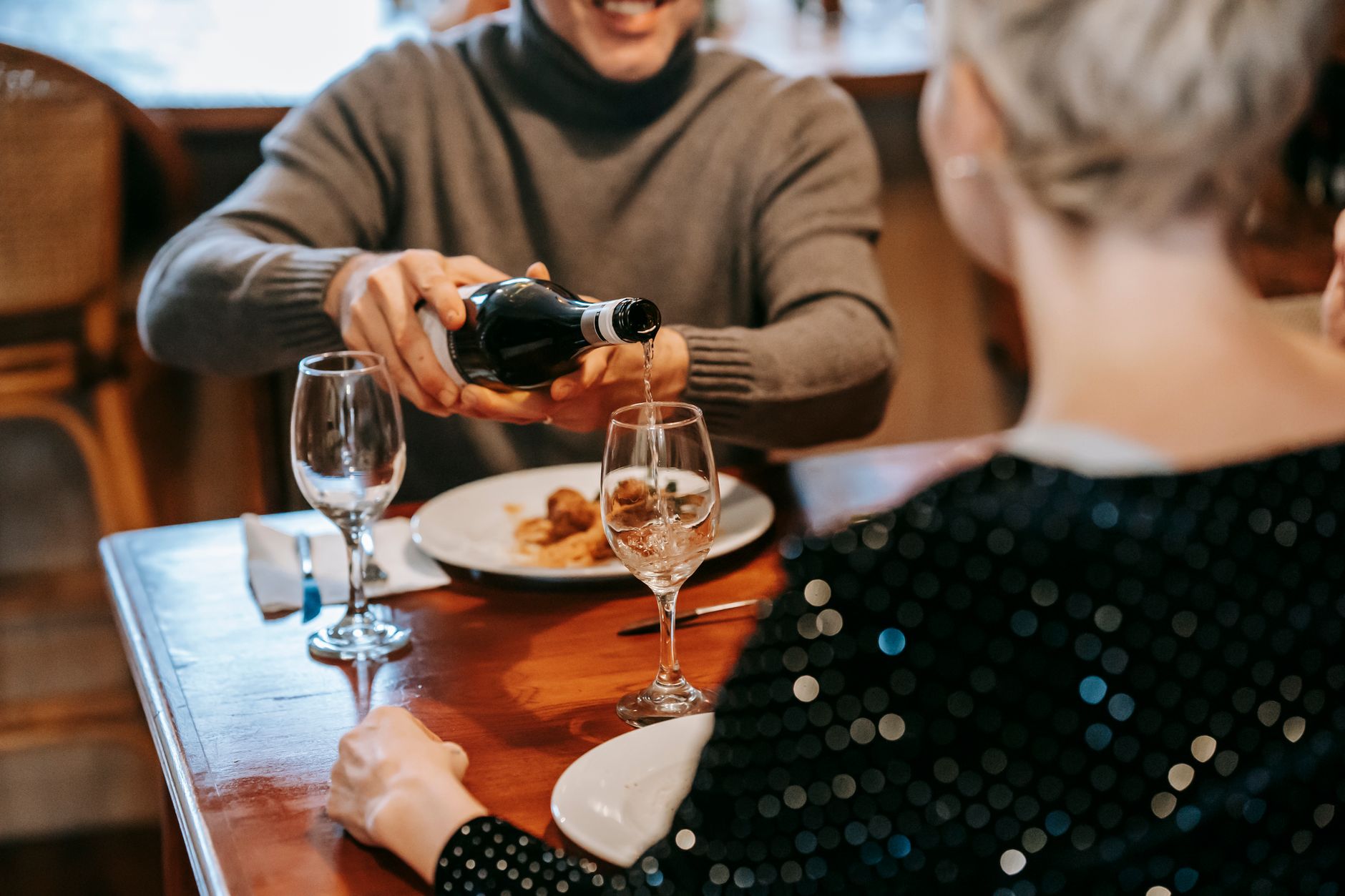
The Ultimate Guide to Affordable Michelin Dining in Manhattan
Manhattan has more Michelin-recognized restaurants than almost any city on earth, and many of them won't cost you $200 a head. This guide breaks down the Bib Gourmand system, the best affordable picks by neighborhood, and why the Lower East Side has become the epicenter of value-driven Michelin dining in New York.
Korean Fusion Dining on the Lower East Side: What to Expect
Korean fusion dining on the Lower East Side blends traditional Korean flavors with inventive New York creativity, producing some of Manhattan's most exciting meals. From Michelin Bib Gourmand spots to intimate neighborhood gems, the LES offers a range of Korean fusion experiences that go far beyond standard bibimbap and BBQ. Here is what first-timers and regulars alike can expect.
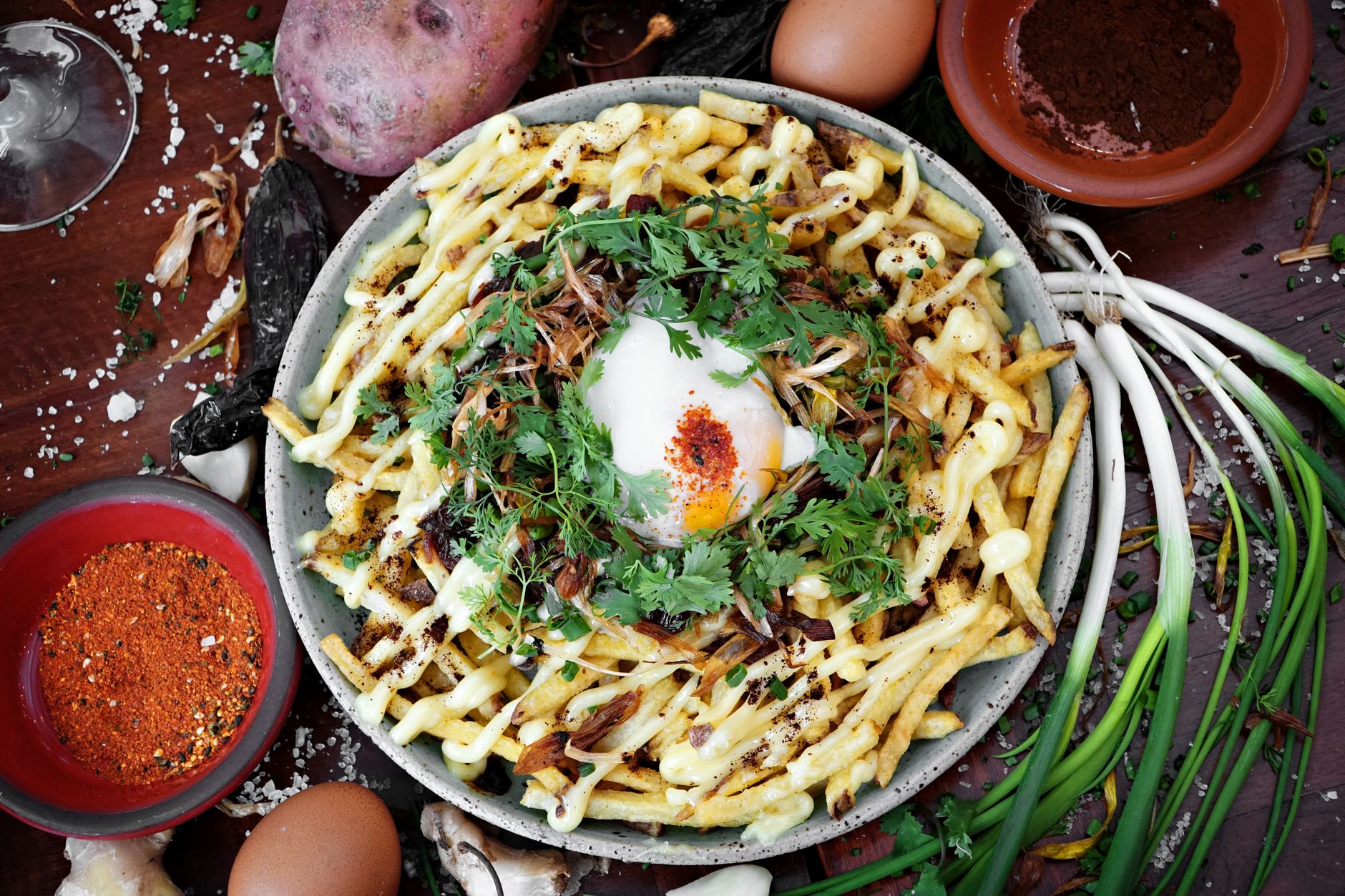
Why Seasonal Menus Matter: LES Restaurants Worth Revisiting
The best Lower East Side restaurants are not just worth visiting once. They are worth coming back to. Seasonal menus are the reason why, rotating ingredients and dishes that make each visit feel genuinely new. This guide explains the value of seasonal dining and names the LES spots that do it best.