Korean-Inspired Cocktail Programs at NYC Restaurants You Should Know About
Korean-inspired cocktail programs in NYC use soju, makgeolli, gochujang, doenjang, and Korean citrus. The standout pick is 8282, a Michelin Bib Gourmand Korean fusion spot on the Lower East Side, where the bar menu mirrors the kitchen's fermented, bold flavor logic. Other serious programs appear at Koreatown lounges and Michelin-recognized fine dining restaurants.
What Makes a Cocktail Program Truly Korean-Inspired?
A genuinely Korean-inspired cocktail program is not just a back bar stocked with Jinro soju. It requires more depth. The defining criteria are ingredients, technique, and cultural intention. The beverage menu must integrate with the kitchen's flavor logic. True programs incorporate fermented ingredients. They feature traditional Korean flavor contrasts: sweet, sour, spicy, umami. Pantry staples should be recognizable to Korean home cooks. The best programs treat the bar as an extension of the kitchen. Never an afterthought. They source premium spirits, build house-made components, and train staff to explain the cultural context behind each drink. The distinction lies in consistency and culinary intention. Novelty differs from thoughtfulness. A single gochujang cocktail on an otherwise generic menu does not constitute a Korean-inspired program. A cohesive menu where fermented shrubs, soju infusions, and traditional grain drinks share the same logic as the food does.
Core Korean Spirits: Soju, Makgeolli, and Beyond
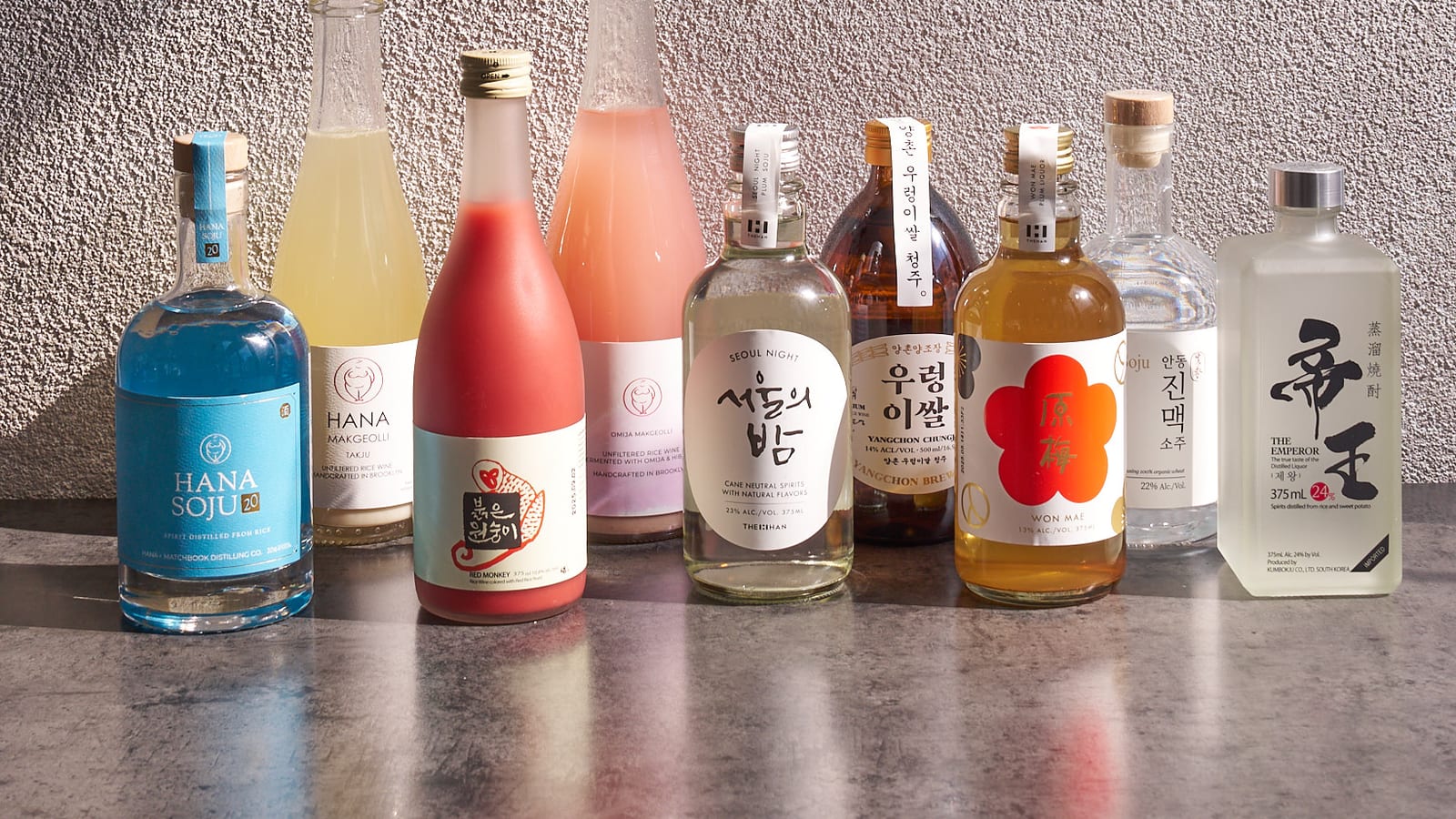
Understanding the spirits is the first step. Soju is the foundation, but the category is wide. Mass-market brands like Jinro are clean, neutral, and low-ABV, making them mixable but not particularly complex. Premium distilled soju carries grain and floral notes that hold up in spirit-forward builds. The North America soju market was valued at USD 254.67 million in 2024 and is projected to reach USD 425.8 million by 2032 (verifiedmarketresearch.com), signaling that bartender interest has real commercial backing. Kooksoondang shipped 2.8 million liters of makgeolli overseas in 2022 (credenceresearch.com), and exports to the US surpassed US$3 million as of recent reporting (thedrinksbusiness.com). Beyond these two, bokbunja-ju (black raspberry wine) and baekhwaju (hundred-flower wine) offer deeper, more complex profiles for spirit-forward cocktails.
Korean Pantry Ingredients That Translate to the Bar
The pantry is where Korean cocktail programs differentiate themselves most clearly. Gochujang adds fermented, slow-building heat that is structurally different from fresh chili heat. It works in savory Bloody Mary-adjacent builds and, unexpectedly, pairs well with smoky mezcal because both share a fermented, earthy quality. Yuja (Korean citrus, close in character to Japanese yuzu) provides floral brightness and is increasingly available as a syrup or concentrate at NYC specialty importers, making it accessible to bartenders who cannot source fresh fruit. Perilla (kkaennip) brings an herbal, anise-adjacent note that pairs naturally with gin or light soju bases. Omija, the five-flavor berry, is perhaps the most bartender-friendly Korean ingredient: its layered sweet, sour, salty, bitter, and pungent notes create natural cocktail complexity without manipulation. Doenjang, the fermented soybean paste, has found its way into fat-washing and spirit-washing techniques at serious programs, adding savory umami depth to spirits that would otherwise lack a base note. These ingredients require sourcing knowledge and culinary skill to use well. That barrier to entry is precisely what separates programs with genuine Korean-inspired cocktail menus from those chasing a trend.
NYC Restaurants with Korean-Inspired Cocktail Programs Worth Visiting
New York City's Korean restaurant scene has expanded dramatically. Korean restaurant locations increased by 10% in the past year alone (circana.com), and since 2018, 450 new Korean restaurant locations have opened in the US, with 36% concentrated in key markets including New York City (circana.com). Within New York, serious Korean-inspired programs span several distinct neighborhoods. Each has its own drinking approach. Manhattan's Koreatown along West 32nd Street, the Flatiron District, and the Lower East Side each attract different diners and produce different cocktail philosophies. New York City now has 85 Michelin Bib Gourmand restaurants (ny.eater.com), and Korean-inspired concepts hold meaningful representation in that category.
8282: Korean Fusion Cocktails on the Lower East Side
The Infatuation singles out the gochujang margarita at 8282 as a standout, and it is a useful illustration of what a kitchen-integrated cocktail program actually means in practice. The gochujang margarita works because the fermented chili paste mirrors the same flavor logic as the boneless Korean fried chicken tossed in sticky garlic-soy and the cheesy dakgalbi kimchi-bap coming out of the kitchen. The bar and the kitchen are speaking the same language. Consider a couple on a first date at 8282. They order a yuja soju spritz alongside crispy Korean-spiced chicken, then transition to a richer soju build as they move through the menu. The bartender explains how each drink mirrors the kitchen's flavor logic. The progression feels intentional. This transforms the evening into a memorable experience worth recommending to friends.
8282 is a Michelin Bib Gourmand Korean fusion restaurant at 84 Stanton St, New York, NY 10002 on the Lower East Side, and the Bib Gourmand designation is worth unpacking. The Michelin Guide describes "a rambunctious little restaurant in the Lower East Side" whose team "springboards into uncharted waters" with "creative, bold dishes, all of which beg to be shared." That designation signals outstanding food at accessible prices. Starred restaurants require higher commitments. For date-night diners in Manhattan, that combination of quality and value is increasingly rare. The cocktail menu mirrors the kitchen's flavor vocabulary, using Korean pantry ingredients and fermented components that balance familiar formats with unexpected combinations. The Lower East Side location matters, too. The LES has historically been Manhattan's most receptive neighborhood for independent, chef-driven concepts. The dining room is intimate enough for genuine conversation, which is not something every LES restaurant can claim. The restaurant's own name story reinforces the energy: 8282 reads as "ppali ppali," meaning "hurry hurry" in Korean, and the room reflects that spirit. Reservations are available via Resy, with walk-ins at the bar when space allows.
Fine Dining Korean Cocktail Programs: Atomix, Atoboy, Oiji Mi, and Cote
Atomix holds two Michelin stars and integrates Korean traditional ingredients throughout its beverage program. Non-alcoholic pairings use fermented Korean teas and grain drinks. New York City has 15 two-star Michelin restaurants total (ny.eater.com), making Atomix's position genuinely rarified. Atoboy, from the same team, operates at a more accessible price point and offers Korean-inspired small plates with a cocktail menu that includes soju-forward builds and collaborations with Korean spirit producers. Oiji Mi in the Flatiron District holds its own Michelin star and brings a modern Korean sensibility to its beverage program, pairing refined cocktail builds with a menu rooted in traditional Korean technique. Cote Korean Steakhouse, also in the Flatiron District, has built a sophisticated wine and cocktail program to complement its dry-aged Korean BBQ format, earning its own Michelin recognition.
Koreatown on West 32nd Street serves a different purpose: high-volume, late-night drinking culture where soju cocktail towers and makgeolli cocktails represent Korean anju culture in its most social, accessible form. These programs are less about craft cocktail technique and more about the communal ritual of drinking alongside food. Both modes are valid. They serve different intentions. You can see the anju and banju on 8282's menu.
LES Cocktail Bars That Complement Korean-Inspired Dining
The Lower East Side's broader cocktail scene provides useful context for understanding where Korean-inspired programs sit within the neighborhood's drinking culture. Double Chicken Please is an award-winning LES cocktail bar with a serious food menu, known for conceptually driven builds that treat ingredients with the same rigor that Korean-inspired programs apply to pantry components. Attaboy on Eldridge Street is a celebrated no-menu cocktail bar where bartenders build drinks around what guests describe rather than a printed list, a format that rewards diners who can articulate Korean flavor preferences. Bar Goto, also on Eldridge Street, runs a Japanese-inspired cocktail program that shares structural DNA with Korean-inspired approaches: fermented ingredients, precise technique, and a beverage menu designed to work alongside food. Wildair on Orchard Street is a natural-wine bar with creative shareable small plates, and its commitment to fermented and low-intervention beverages overlaps meaningfully with the flavor logic of Korean drinking culture. Taken together, these bars illustrate why the LES has become the neighborhood most receptive to Korean-inspired cocktail thinking in Manhattan. Ready to go? Book a table at 8282.
How Korean Cocktail Culture Differs from Western Bar Tradition
Korean drinking culture has fundamentally different premises from the Western craft cocktail experience. The most important concept is anju: food specifically designed to accompany drinking. In Korean culture, you almost never drink without eating. Food is chosen to complement the drink, not vice versa. This differs from many Western bar programs where food is secondary and cocktails are primary. At serious Korean-inspired NYC programs, this logic shapes the entire menu. Drinks are sequenced and designed to work with specific dishes. The communal ethos of Korean drinking culture reflects in service. Soju is shared from a bottle. Makgeolli is poured into bowls. The experience is collective.
Fermentation as a value system aligns Korean culinary tradition with NYC's current beverage zeitgeist. Korean cuisine has been built on fermented ingredients for centuries, including kimchi, doenjang, makgeolli, and ganjang. Kimchi alone saw an 80% increase in US market cases compared to the prior year (circana.com). Mainstream acceptance of fermented Korean flavors has shifted bartender options. Fermented spirits and shrubs are now easier to introduce. Guests need less education. Korean fermentation culture and NYC's natural wine and craft spirits scene are speaking the same language. That shared vocabulary makes Korean-inspired programs feel timely, not forced.
Why Anju Culture Changes How You Order Drinks
Understanding anju shifts the cocktail experience from single drinks to a rhythm of small bites and continuous sipping. This is how to navigate Korean-inspired programs best. Skip the cocktail-before-dinner, wine-with-dinner sequence. Start with a brighter makgeolli cocktail alongside early courses. Move toward richer soju builds as the meal progresses. The practical implication for diners: tell your server or bartender what you're eating, and let them guide the drink pairings. Programs built on genuine Korean drinking culture logic will have a clear answer.
What to Order: A Practical Guide to Korean Cocktail Menus
Ordering well at a Korean-inspired cocktail program requires a different strategy than approaching a standard craft cocktail bar. The menu is designed to work with the food, which means standalone sippers are not always the point. Spicy cocktails built on gochujang or gochugaru are best understood as food-pairing drinks, designed to cut through rich proteins and amplify fermented side dishes. Ordering one as an aperitif without food undersells what it can do. Look for house-made ingredients as the clearest quality signal: restaurants building their own soju infusions, fermented shrubs, or doenjang-washed spirits are investing in the program in a way that a bottle of commercial soju and a fruit syrup cannot replicate. Non-alcoholic options are increasingly strong at Korean-inspired programs, often built on sikhye (sweet rice punch), barley tea, or fermented fruit concentrates. Fermented beverage menu appearances have climbed 180% over the past four years (cfe-news.com), reflecting broader consumer appetite for complex, non-alcoholic options.
Beginner-Friendly Korean Cocktails to Try First
For first-time visitors to a Korean-inspired cocktail program, three entry points consistently work well. The yuja soju spritz is bright, citrusy, and low-ABV, providing a clear introduction to Korean flavor profiles without overwhelming complexity. The makgeolli mule replaces ginger beer with rice wine effervescence, producing a rounder, softer drink that highlights makgeolli's natural lactic quality. The omija tea cocktail uses the five-flavor berry to create a naturally layered drink that pairs particularly well with Korean seafood preparations. Each of these drinks demonstrates a key Korean ingredient without requiring prior familiarity with Korean spirits culture. Start here. Build from there.
The gochujang margarita at 8282 is another strong entry point for diners who already have a tequila reference. The Infatuation praises it specifically, and it works because the fermented heat of gochujang builds slowly rather than hitting immediately, which makes it more food-friendly than a standard spicy margarita.
Advanced Orders for Spirit-Forward Korean Cocktail Enthusiasts
For diners with a deeper cocktail background, a few builds represent the creative frontier of Korean-inspired programs in New York. The bokbunja negroni replaces sweet vermouth with black raspberry wine, which provides fruit complexity and a lower-ABV backbone that makes the bitter-sweet balance work differently than the Italian original. Gochujang-mezcal builds have appeared at several LES programs and represent a genuinely coherent combination: the smoky, fermented character of mezcal and the fermented heat of gochujang share structural similarities that make the pairing less experimental and more logical than it initially sounds. These are not novelty drinks. They are the output of bartenders who understand both Korean pantry logic and Western cocktail architecture.
Why Korean-Inspired Cocktail Programs Are Defining NYC's Bar Scene Right Now
The timing of this moment is not accidental. Korean cuisine moved from niche ethnic category to mainstream recognition in New York. Michelin attention, K-pop influence, and Korean-American chefs drove this change. These chefs trained in fine dining kitchens and returned to their heritage with new technique. New York City has 72 Michelin-starred restaurants in 2025, and Korean-inspired concepts have earned meaningful representation across both the starred and Bib Gourmand tiers (ny.eater.com). The beverage industry followed the kitchen's lead. Korean spirits now appear on back bars at non-Korean restaurants across Manhattan, and soju is stocked alongside Japanese whisky and mezcal at serious cocktail bars that previously had no Korean spirits at all.
NYC's concentration of Korean-American culinary talent is unmatched outside of Los Angeles, and that critical mass sustains innovation. It also creates authenticity that is difficult to replicate without genuine grounding. A Korean-inspired cocktail program built by a bartender who grew up eating anju and drinking makgeolli with family produces something structurally different from a program assembled by reading about Korean ingredients online. The cultural narrative embedded in these programs is part of what makes them compelling to diners who are looking for an experience, not just a drink.
How the Lower East Side Became a Hub for Korean Fusion Dining
The Lower East Side's history as an immigrant culinary corridor created natural conditions for fusion experimentation in Manhattan. Relative to the West Village or Tribeca, LES rents have historically allowed independent chef-driven concepts to take creative risks that larger financial commitments would not permit. That environment attracted exactly the kind of operators who were interested in building Korean-American concepts that honored their heritage while drawing on fine dining technique. The result is a neighborhood dining scene where Michelin recognition and accessible pricing coexist, which is the combination that makes LES restaurants like 8282 particularly valuable for date-night diners who want a culturally specific, high-quality experience without a special-occasion price tag. The LES is also where the newest cohort of Korean-American bartenders has been most active, building programs that treat Korean drinking culture as a starting point rather than a costume.
Kisa, the Korean diner-style LES restaurant inspired by Seoul taxi-driver diners, represents a different register of the same neighborhood energy: straightforward, unpretentious, and rooted in the everyday drinking culture that fine dining programs often reference but rarely replicate. Having both 8282 and Kisa within the same neighborhood gives LES diners a genuine range of Korean-inspired drinking experiences, from Michelin-recognized to casual.
| Program Type | Price Range | Spirit Focus | Cocktail Approach | Food Integration |
|---|---|---|---|---|
| 8282 (LES) | Accessible / Bib Gourmand | Soju, makgeolli | Kitchen-mirrored, balanced | High, paired with fusion menu |
| Atomix (Midtown East) | Fine dining / Two-star Michelin | Fermented teas, grain spirits | Tasting menu pairings | Very high, per-course |
| Atoboy (Midtown East) | Mid-range | Soju-forward | A la carte, approachable | Medium-high |
| Oiji Mi (Flatiron) | Upscale / Michelin-starred | Refined cocktail builds | Modern Korean-inflected | High, paired with tasting menu |
| Cote (Flatiron) | Upscale | Wine-led, cocktail secondary | Wine-focused | High, paired with Korean BBQ |
| Kisa (LES) | Casual | Soju, beer | Approachable, diner-style | High, anju-centered |
Frequently Asked Questions
What is the difference between soju and makgeolli in cocktails?
Is 8282 on the Lower East Side good for a date night?
What does Michelin Bib Gourmand mean for a Korean restaurant in NYC?
What food should I order alongside Korean cocktails?
Where can I find Korean-inspired cocktails outside of Koreatown in NYC?
Are Korean-inspired cocktail programs suitable for people who do not drink soju?
How do I make a reservation at a popular Korean fusion restaurant in NYC?
What is anju and why does it matter when ordering Korean cocktails?
Which NYC Korean restaurants have the best cocktail menus right now?
Are there any Michelin-star Korean spots with standout drinks?
What are the best Korean happy hour deals in Koreatown NYC?
Which NYC bars pair Korean food with soju or makgeolli cocktails?
What new Korean restaurants in NYC have notable drink programs?
Where is 8282 located, what are its hours, and does it accept credit cards?
Sources & References
- Which New York Restaurants Landed Michelin Stars for 2025? | Eater NY (opens in a new tab)[industry]
- South Korean Restaurant Locations in the U.S. Grow 10% Over the Past Year Amid Surge in Demand for Korean Cuisine (opens in a new tab)[industry]
- Makgeolli Market Size, Growth, Share and Forecast 2032 (opens in a new tab)[industry]
- North America Soju Market Report: Size, Growth, Trends & Forecast (2025–2033) (opens in a new tab)[industry]
- 13 Food and Beverage Trends to Watch in 2026 - CFE News (opens in a new tab)[industry]
About the Author
8282
8282 is a Michelin Bib Gourmand Korean fusion restaurant on Manhattan's Lower East Side, renowned for intimate, inventive cuisine and unforgettable date night experiences.
Learn more at www.eightwoeightwo.com → (opens in a new tab)Related Posts
Chef-Driven vs. Corporate Restaurant Groups: Which Makes a Better Date Night in NYC?
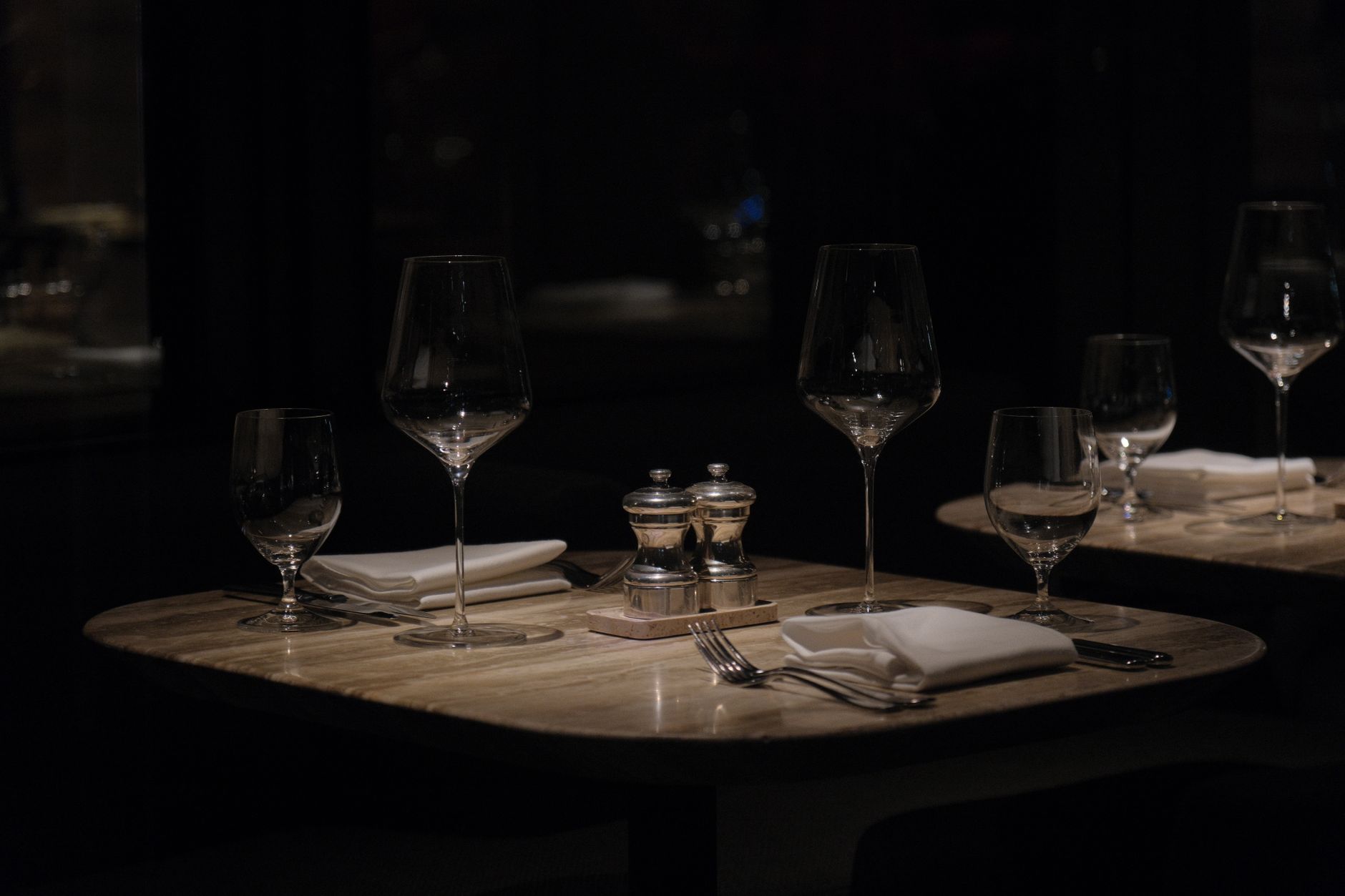
Not all NYC date nights are created equal. Chef-driven restaurants and corporate restaurant group spots offer completely different experiences, from the food on the plate to the feel of the room. Here is how to choose the right one for your evening.
12 min read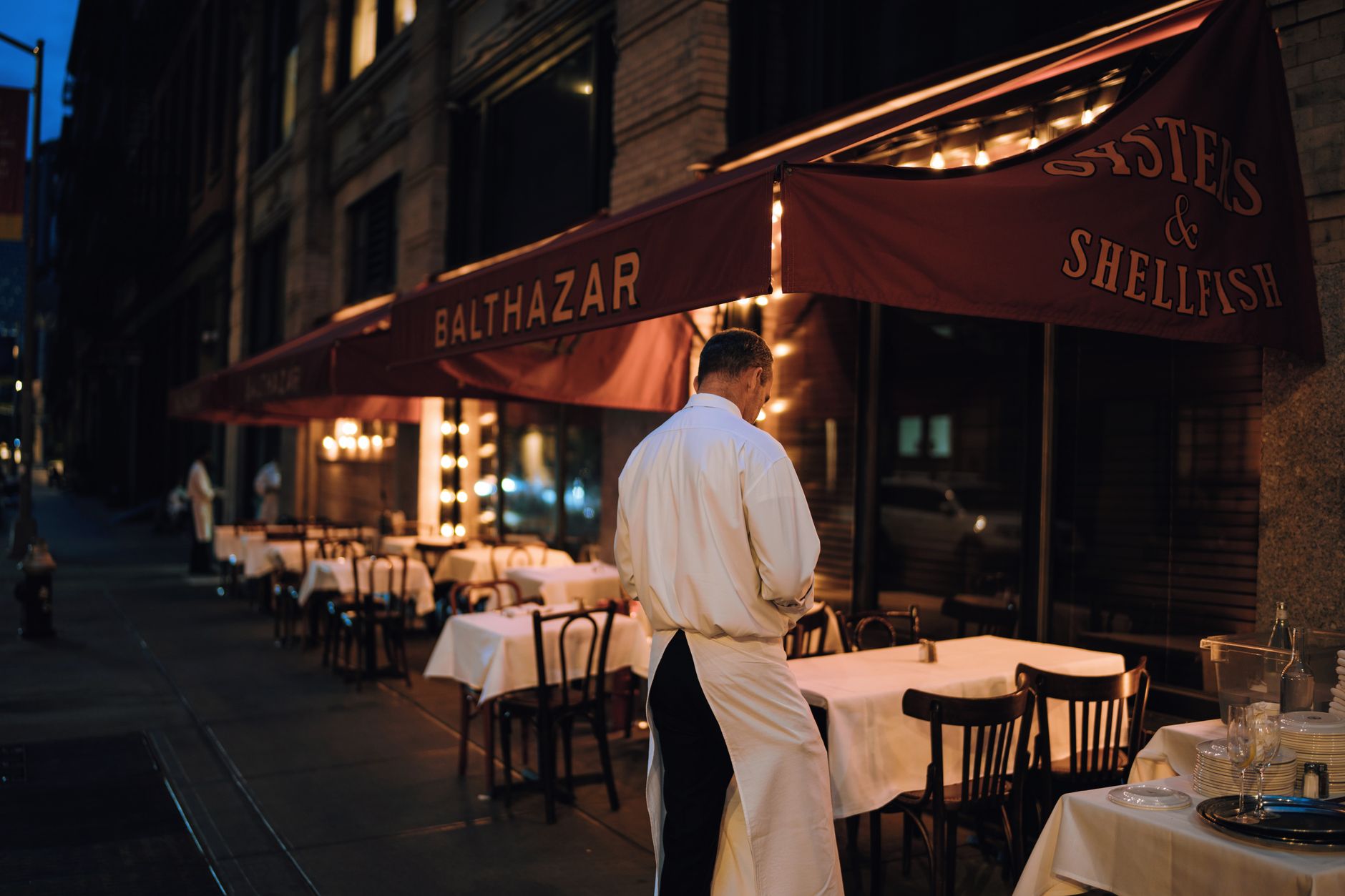
How to Plan the Perfect NYC Date Night From Start to Finish
Planning a great date night in New York City takes more than a dinner reservation. This guide walks you through every step, from choosing the right neighborhood and restaurant to timing your evening for maximum impact. Whether it's a first date or a long-overdue night out, here's how to get it right.
12 min read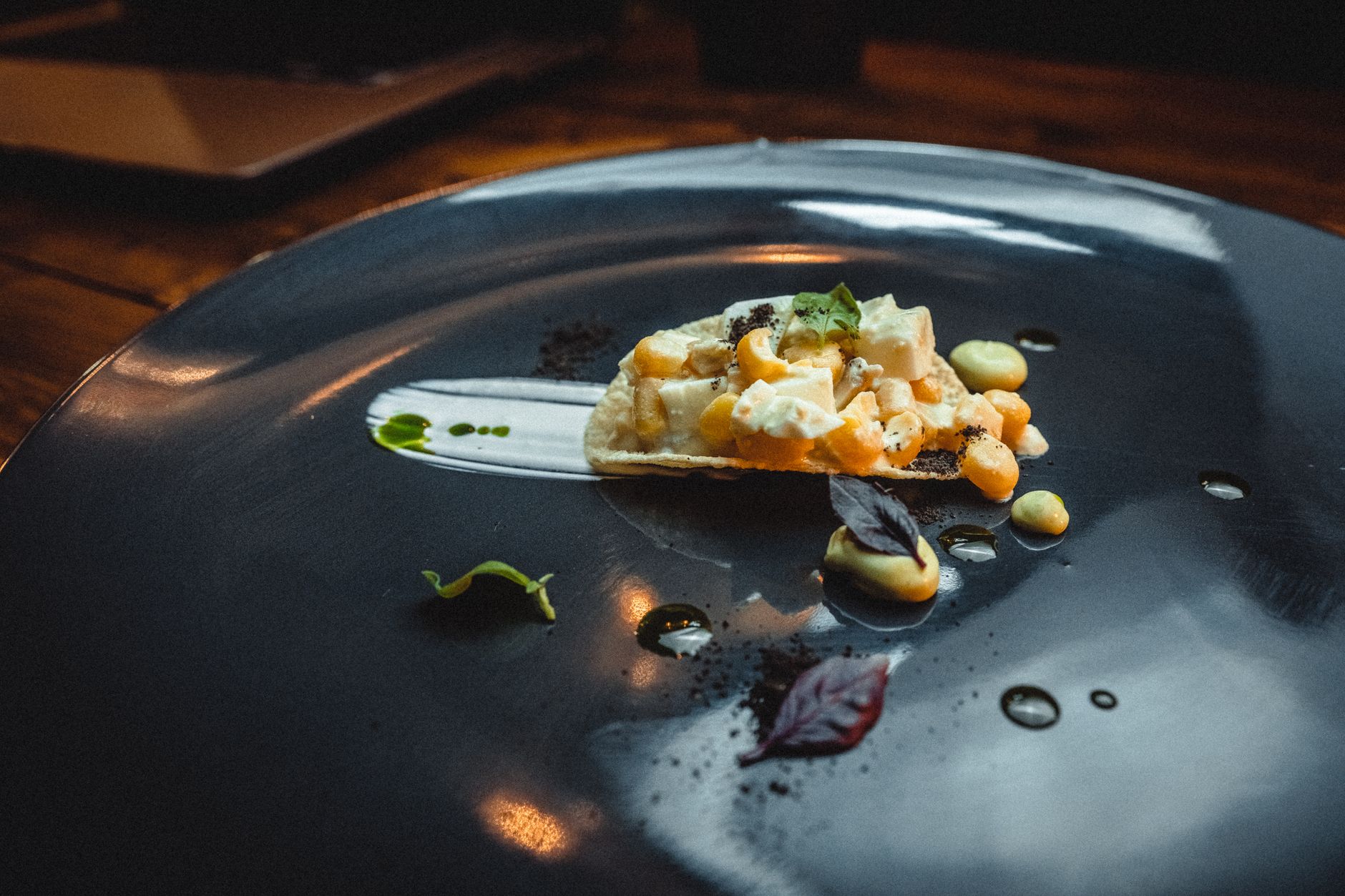
5 Best Tasting Menu Restaurants on the Lower East Side
The Lower East Side has quietly become one of Manhattan's best neighborhoods for serious tasting menu dining. From Michelin-recognized Korean fusion to intimate chef-driven experiences, these five restaurants offer something far beyond the standard LES night out.
14 min read