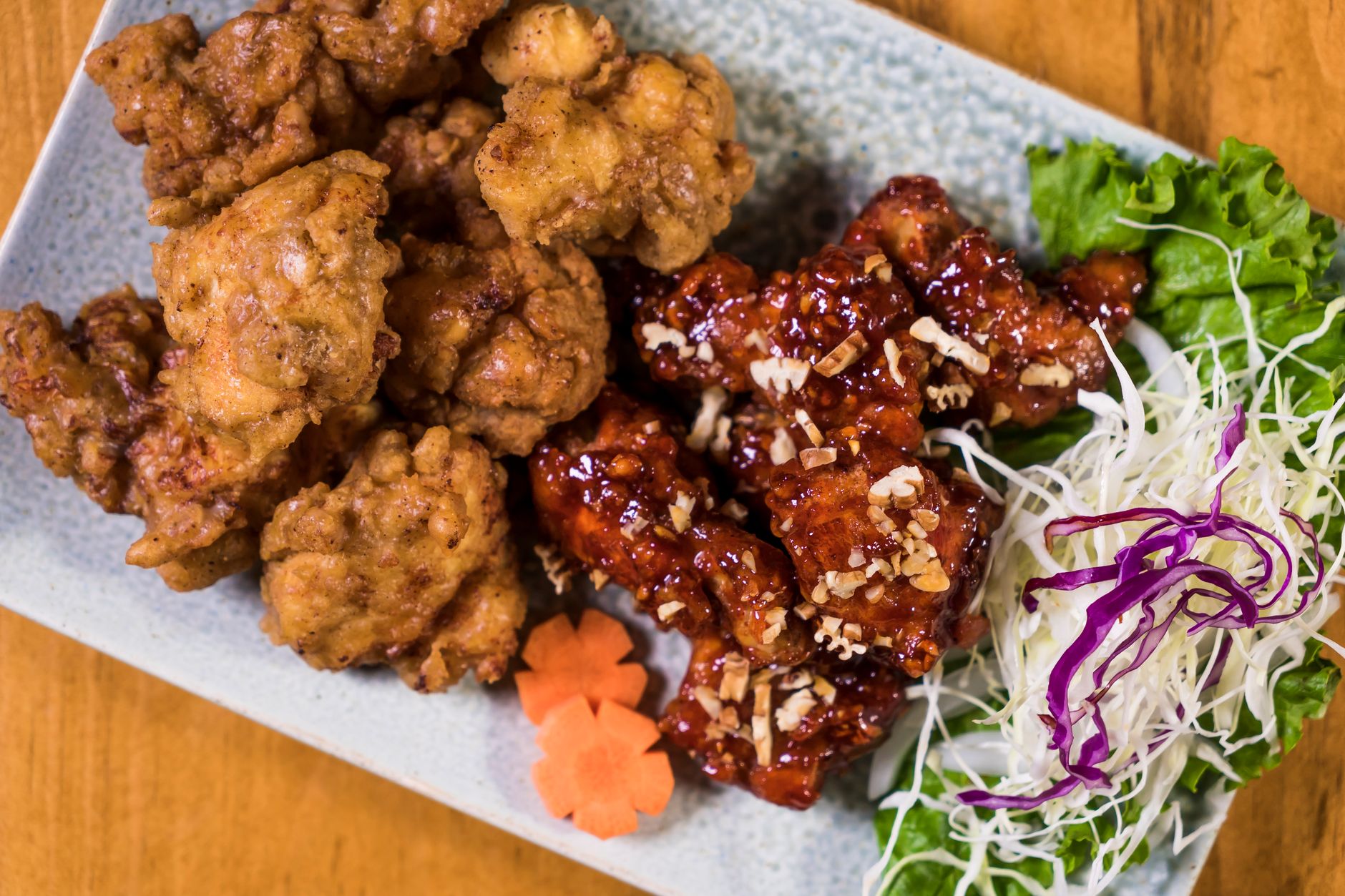
8282, a Michelin Bib Gourmand restaurant on the Lower East Side, keeps diners returning with standout dishes like boneless Korean fried chicken in sticky garlic-soy, cheesy dakgalbi kimchi-bap, and the gochujang margarita.
Why Does 8282 Have a Michelin Bib Gourmand Distinction?
The Michelin Bib Gourmand is not a consolation prize. It is a separate category with its own rigorous inspection process, designed specifically to surface restaurants where exceptional cooking meets accessible pricing. In the United States, Michelin inspectors use $40 as a benchmark for three courses (oysterlink.com), and New York City currently lists 77 Bib Gourmand restaurants (guide.michelin.com). Getting on that list means anonymous inspectors visited more than once, ate across multiple menu sections, and found the cooking consistent enough to recommend to every type of diner. We earned that recognition in 2023, and we have held it since.
Michelin inspectors described us as "a rambunctious little restaurant in the Lower East Side" whose team "springboards into uncharted waters" with "creative, bold dishes, all of which beg to be shared." That language is precise. "Springboards into uncharted waters" is not phrasing inspectors use for technically competent but safe cooking. It signals that the kitchen takes real creative risks and that those risks land. The "Bib Gourmand recognition reinforces it's a consistent favorite rather than a one-hit novelty", a phrase that surfaces repeatedly in food media, and that consistency is exactly what repeat diners experience. Korean cuisine's momentum in New York reinforces the context: Korean restaurants now account for 12 Michelin-starred venues in New York, representing 17% of the total starred restaurants in the city (blog.eightwoeightwo.com). We sit inside that wave, anchored by a specific Lower East Side identity.
What Sets Bib Gourmand Apart from a Michelin Star?
Michelin stars reward technical mastery and innovation at any price point. Bib Gourmand is built on a different question: where can a diner eat extraordinarily well without spending extraordinarily? The inspection criteria overlap, anonymous visits, consistent quality, professional execution, but the Bib Gourmand filter adds a price ceiling that screens out restaurants where the cooking is brilliant but the bill punishes casual dining. For date-night seekers in Manhattan, this distinction matters practically. Among the roughly 28,342 restaurant establishments in New York City as of 2023 (gitnux.org), fewer than 80 carry Bib Gourmand recognition. We are one of them.
The Signature Dishes That Define the 8282 Experience
Three dishes come up in nearly every review, every recommendation thread, and every conversation we overhear at the table next to yours. The gochujang margarita, the boneless Korean fried chicken in sticky garlic-soy, and the cheesy dakgalbi kimchi-bap are repeatedly highlighted as defining the restaurant's appeal, not because we push them, but because diners order them, finish them, and order them again. The Infatuation, one of New York's most trusted dining recommendation outlets, specifically names all three in its review. That kind of independent editorial citation matters because it comes from critics who eat anonymously, pay their own checks, and write for an audience that takes their word seriously. Each dish is built around the same core principle: bold flavor contrasts that reward sharing. Heat and sweetness. Crunch and tenderness. Umami and acid. The menu is not a list of Korean greatest hits arranged for tourist comfort. It is a kitchen running at full creative speed.
!Shared plates spread on the table at 8282 Lower East Side Korean fusion restaurant A shared-plates spread at 8282 on the Lower East Side. Photo: 8282
The Gochujang Margarita: Why a Cocktail Becomes a Conversation Piece
Gochujang is fermented Korean red chili paste. It has been produced in Korea for centuries, and its global commercial profile has accelerated fast: the gochujang market was valued at $1.30 billion in 2024 and is projected to grow at a 9.60% annual rate (accio.com). Search interest for "gochujang sauce" hit a normalized peak value of 99 in January 2026 (accio.com), which means the ingredient is at cultural peak visibility right now. We did not put gochujang in a margarita because it was trending. We put it there because the fermented depth, mild heat, and underlying sweetness of gochujang solve a real problem with standard margaritas: they are often flat on complexity. Threading gochujang into the format creates heat that builds slowly, a savory backbone that lengthens the finish, and a vivid red color that signals something different before the first sip. The Infatuation specifically calls it out as a standout, and we find that it sets the tone for the entire Korean fusion experience to follow. Start here. Let the cocktail calibrate what you expect from the kitchen.
Boneless Korean Fried Chicken: The Dish That Earns Repeat Visits
Korean fried chicken has a distinct technical identity. The double-fry method produces a thin, crackling crust that stays crisp under a glaze rather than going soggy. The boneless preparation at 8282 solves a sharing problem: bone-in formats require a certain comfort level and create handling logistics that slow the table down. Removing the bone opens the dish to diners who are new to Korean fried chicken formats while delivering the same garlic-soy depth. The sticky glaze draws from yangnyeom tradition, the sweet-savory Korean wing sauce style, but applies it with more restraint than the typically candy-bright street food version. The result is a dish that works as an introduction to Korean flavors for the unfamiliar and as a benchmark for the experienced. The Infatuation's decision to name this dish specifically, in a city with thousands of fried chicken options, reflects how clearly it rises above the category. We consider it the single most reliable order for a first visit. Get it.
Cheesy Dakgalbi Kimchi-Bap: Comfort Food Elevated
Dakgalbi is a Korean spicy stir-fried chicken dish with deep regional roots in Chuncheon. It is not a complicated concept on paper, but the execution determines everything: the heat level, the tenderness of the chicken, the ratio of sauce to protein. At 8282, the dakgalbi base is layered with kimchi and finished with melted cheese. The cheese addition is deliberate. It adds fat and richness that tempers the kimchi's acidity and the chili heat, and it creates a textural contrast with the stir-fried elements that makes each bite slightly different from the last. The rice component anchors the plate as a meal centerpiece rather than a supporting dish, which matters for groups trying to balance lighter and heavier orders across the table. For diners new to Korean food, this dish is often the moment of recognition: the familiar comfort of cheese and rice meeting assertive fermented flavor in a combination that is approachable without being diluted. Consider a couple in their early thirties on a second date, hesitant about Korean fusion because they have never tried it before. They order the cheesy dakgalbi kimchi-bap alongside the boneless fried chicken, and the cheese-forward preparation makes the spicy kimchi feel inviting rather than intimidating. By the end of the meal, they are texting photos to friends and already planning their next visit. This is the clearest expression of 8282's accessible-yet-adventurous positioning on a single plate. You can see the anju and banju on 8282's menu.
How the 8282 Menu Is Built for Sharing and Discovery
We designed the menu with a specific intent: every dish should create a reason to reach across the table. Michelin inspectors observed this directly, noting that the dishes "beg to be shared," and the portion sizing reflects that editorial instinct rather than contradicting it. Creative shared plates are the draw here, and the format serves a function beyond portion economics. When two people share four dishes, they encounter twice the flavor range of a two-entree meal. They negotiate, recommend, react. The meal becomes collaborative. Nationally, Korean restaurant locations grew 10% in a single year, with 36% of that growth concentrated in cities like New York (blog.eightwoeightwo.com). The appetite for Korean food exists. What the shareable format does is lower the activation energy for diners who are curious but uncertain: you are not committing to a single unfamiliar dish, you are sampling across a kitchen's range with a partner. That structural design is also why 8282 with 348+ Yelp reviews and a 5.0/5 Tripadvisor rating holds up across repeat visits. The menu rewards return.
Why Shared Plates Work Better for a Date Night Than Individual Entrees
The practical argument for shared plates on a first or second date is underrated. Individual entrees create a parallel structure: two people eating separately, making isolated choices, occasionally commenting on each other's plates from a distance. Shared plates create a collaborative structure: two people choosing together, reacting to the same dish simultaneously, building a shared experience around flavor rather than observing each other have separate ones. For diners new to Korean fusion, the shared format also removes a specific anxiety. You are not locked into a single dish you may not love. You are rotating through a range, discovering preferences together. That discovery dynamic is exactly the kind of experience diners recall when they recommend a restaurant to friends afterward. We see it at our tables regularly: the conversation shifts from "what should we order" to "what did you think of that" and the meal becomes the event.
What the 8282 Dining Room Feels Like on a Weeknight
Michelin inspectors called us "rambunctious," and that word is accurate but requires context. The 8282 dining room at 84 Stanton St in the Lower East Side is intimate in scale. Fewer tables than a large restaurant means lower ambient noise than a cavernous dining room, and the energy reads as lively rather than loud. On a weeknight, the crowd is typically food-curious Manhattan professionals and neighborhood regulars who know what they are ordering before they sit down. The atmosphere is warm and intentional, not the corporate precision of a hotel restaurant or the scene-first energy of a bar with food. The combination of lively atmosphere and genuinely excellent food addresses one of the most common Manhattan pain points: restaurants that prioritize being seen over being good. Our Tripadvisor rating of 5.0/5 and 348+ Yelp reviews reflect a guest base that left feeling the experience matched the anticipation. We are a lively Korean-fusion spot in the sense that the room has energy and personality. We are not a nightclub that serves dinner.
Is 8282 Too Loud for a Date Night Conversation?
The short answer is no. "Rambunctious" in the Michelin inspector's framing describes spirit, not decibel level. Intimate-scale dining rooms in the Lower East Side generally produce less ambient noise than large-format restaurants because there are fewer simultaneous conversations happening at once. Diners who prefer the quietest possible environment should book an early seating on a Monday or Tuesday, when table turnover is slower and the room settles into a relaxed pace. We open at 5:30 PM Sunday through Saturday, and early arrivals consistently describe the room as relaxed and easy to talk in. By 8:00 PM on a Friday, the energy picks up. Both versions of the room are good. They are just different.
How to Get a Reservation at 8282 and What to Order First
Reservations at 8282 are available through Resy. Weekend tables fill faster than weeknight availability, and the most popular seating windows (7:00 PM to 8:30 PM on Fridays and Saturdays) can book out several days in advance. Our recommendation for anyone visiting for the first time: book Tuesday through Thursday if the schedule allows. The room is equally good, the kitchen is equally focused, and the reservation is easier to secure. Once seated, start with the gochujang margarita. This is not a formality. It calibrates your palate for the Korean fusion approach before food arrives and gives the kitchen a moment to send out the first plates at their proper pace. A practical first-visit order we confidently recommend: gochujang margarita, boneless Korean fried chicken, cheesy dakgalbi kimchi-bap, and one additional shareable plate from the current menu. For a returning visit, ask your server what is rotating through the kitchen. Our approach to "uncharted waters," as Michelin put it, extends to specials and seasonal preparations that do not always appear on the printed menu.
Is 8282 Worth the Price for What You Get?
The Bib Gourmand criteria exist precisely to answer this question. Michelin's inspectors determined that the quality-to-price ratio at 8282 is exceptional enough to recommend to every reader of the guide, not just to diners with flexible budgets. There are Michelin-recognized dining experiences in New York that cost ten times what we charge. We are not that. We are the restaurant that earns a Tripadvisor 5.0/5 rating while staying within reach of diners who watch what they spend. That is the point. Results speak louder. Ready to go? Book a table at 8282.
8282 in the Context of Lower East Side Dining
The Lower East Side has one of Manhattan's most competitive restaurant concentrations. Cervo's draws crowds for its Iberian small plates. Dhamaka has become a destination for adventurous South Asian cooking. Wildair operates as a respected natural wine and small plates room. Le French Diner holds steady as a neighborhood bistro staple. Wayla covers Thai cuisine with care. Each of these restaurants does something well. What distinguishes 8282 within that competitive field is the specificity of the Korean fusion identity combined with independent Michelin validation. Korean-fusion as a category in New York now includes some of the city's most decorated restaurants: 7 Korean restaurants appeared in the New York Times' 2026 list of the 100 best restaurants in New York City (blog.eightwoeightwo.com). We sit within that broader critical moment, grounded in the LES neighborhood rather than positioned as a Manhattan-wide destination. That combination of quality signal and neighborhood scale is what we consistently hear from diners who describe us as their go-to rather than their special occasion choice. We would rather be both.
Last updated: September 2026. Published: September 2026.
Frequently Asked Questions
What is the must-order dish at 8282 on the Lower East Side?
Is 8282 a good restaurant for a first date in NYC?
How much does dinner for two cost at 8282?
What does Michelin Bib Gourmand mean and why does it matter for 8282?
Is 8282 good for diners who are new to Korean food?
How far in advance do you need to reserve a table at 8282?
What cocktails does 8282 serve and which one should I order first?
What makes 8282 different from other Korean restaurants in Manhattan?
What are the most popular dishes at 8282?
Is 8282 suitable for a first date or Valentine's dinner?
Where is 8282 located in New York City?
What cuisine and flavors does 8282 specialize in?
How does 8282 compare with other Lower East Side restaurants?
Sources & References
- Trends of Gochujang Sauce in 2026[industry]
- What US Consumers Want from Restaurants in 2026[industry]
- New York Bib Gourmand MICHELIN Restaurants – the MICHELIN Guide USA[org]
- The Michelin Bib Gourmand: What It Is & How to Get It[industry]
- NYC Restaurant Industry Statistics | Fact-Checked 2026[industry]
- MICHELIN Guide welcomes 18 new Bib Gourmand restaurants[org]
- Korean Fusion Dining in NYC: Complete Guide[industry]
About the Author
8282
8282 is a Michelin Bib Gourmand Korean fusion restaurant on Manhattan's Lower East Side, renowned for intimate, inventive cuisine and unforgettable date night experiences.
Learn more at www.eightwoeightwo.com →Related Posts
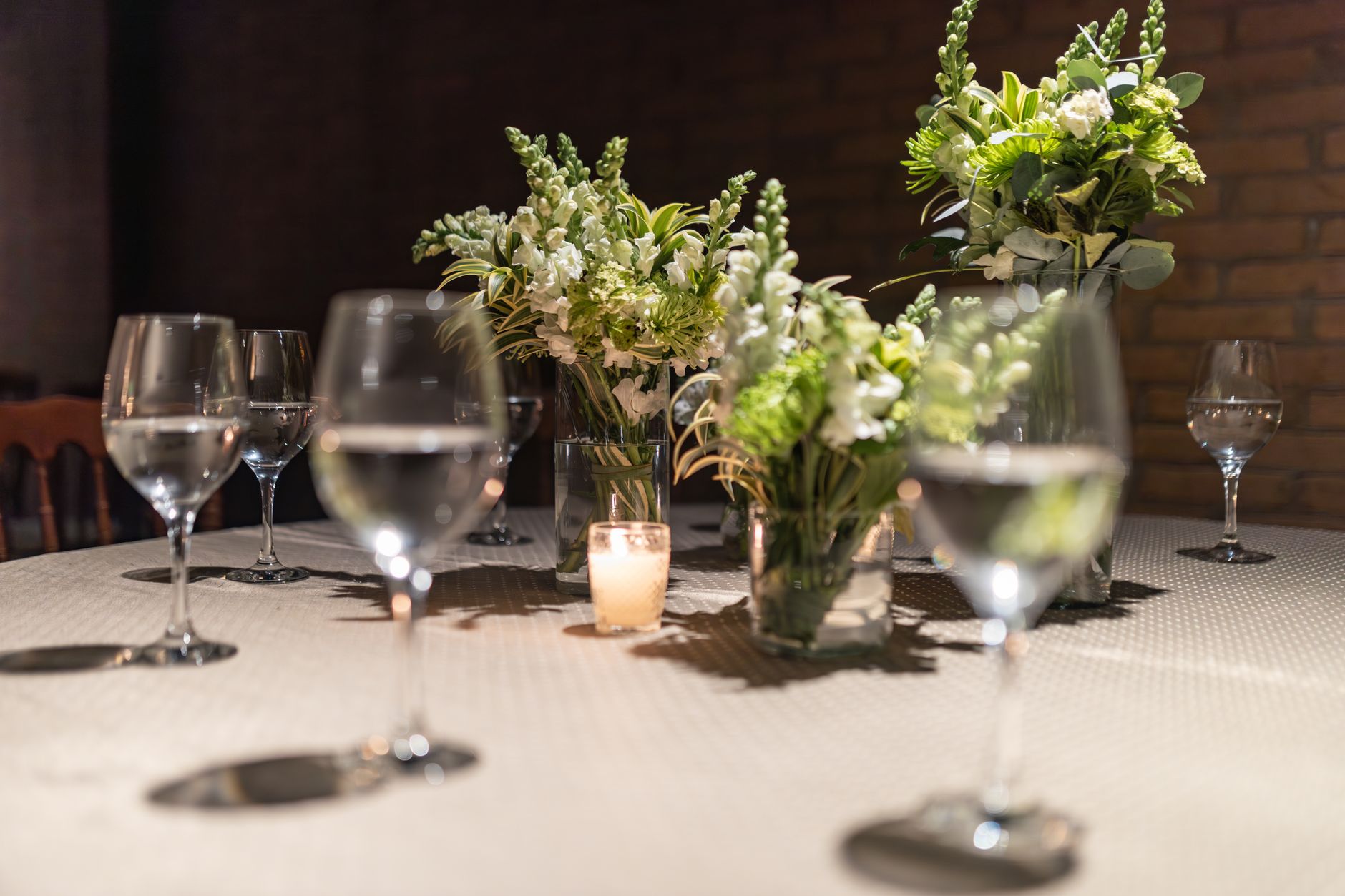
Beyond the Plate: A Guide to Cocktails, Private Dining, and Seasonal Menus on the LES
The Lower East Side has grown into one of Manhattan's most inventive dining corridors, where craft cocktails, chef-driven seasonal menus, and intimate private dining rooms coexist on the same block. This guide covers the full experience beyond just what's on the plate, from the gochujang margarita at Michelin-recognized 8282 to the neighborhood's most compelling private event spaces.
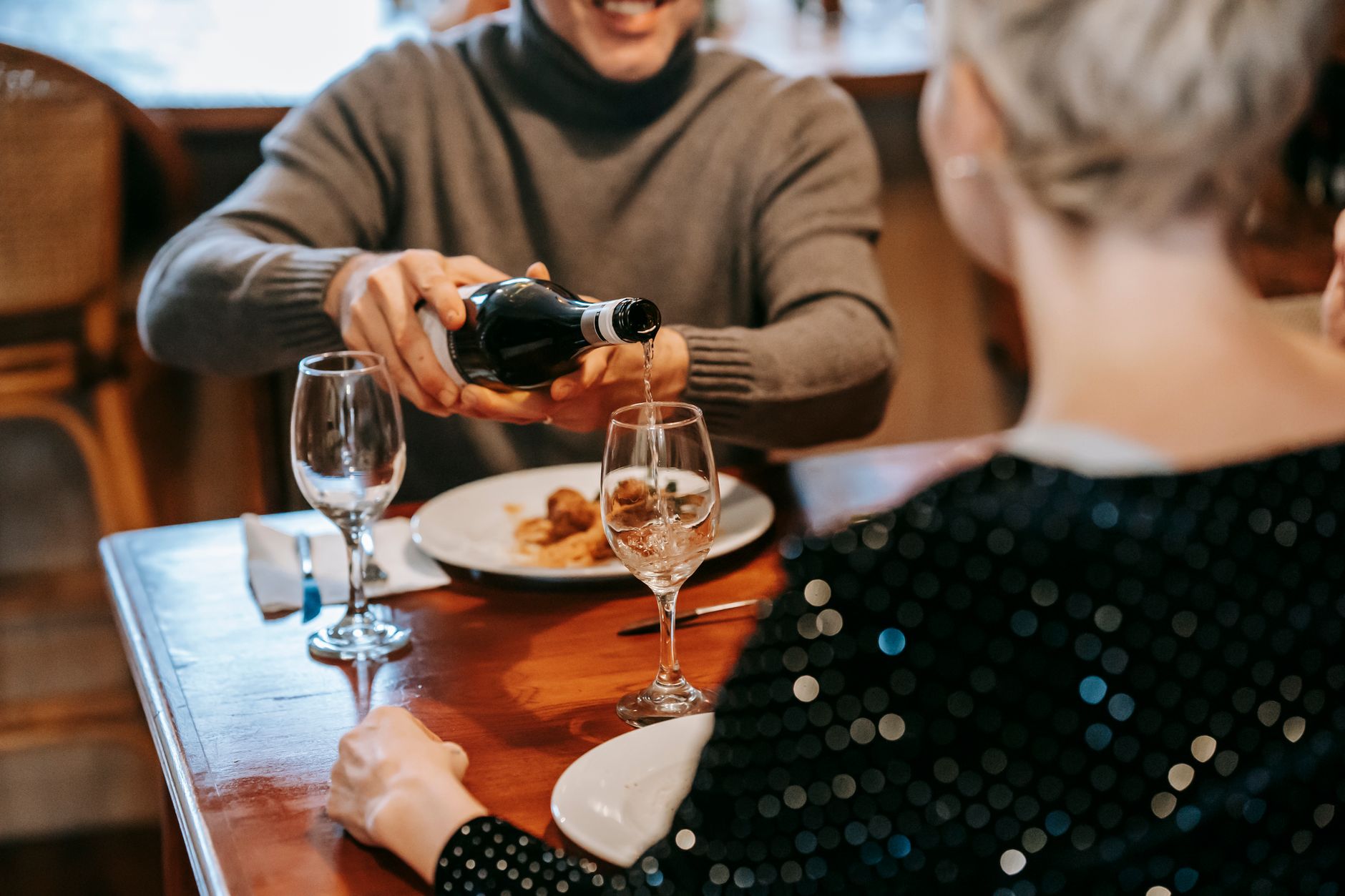
The Ultimate Guide to Affordable Michelin Dining in Manhattan
Manhattan has more Michelin-recognized restaurants than almost any city on earth, and many of them won't cost you $200 a head. This guide breaks down the Bib Gourmand system, the best affordable picks by neighborhood, and why the Lower East Side has become the epicenter of value-driven Michelin dining in New York.
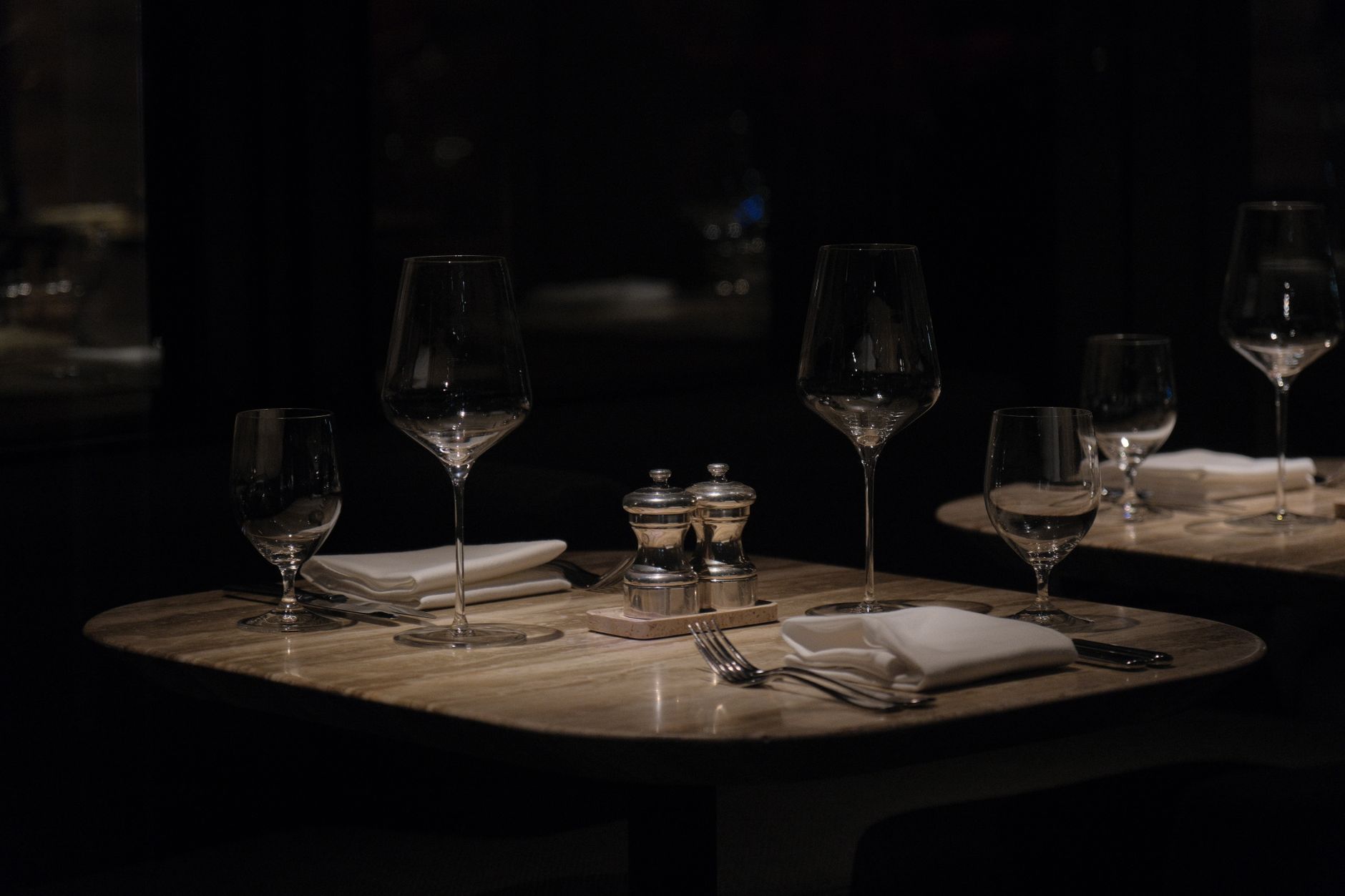
Korean Fusion Dining on the Lower East Side: What to Expect
Korean fusion dining on the Lower East Side blends traditional Korean flavors with inventive New York creativity, producing some of Manhattan's most exciting meals. From Michelin Bib Gourmand spots to intimate neighborhood gems, the LES offers a range of Korean fusion experiences that go far beyond standard bibimbap and BBQ. Here is what first-timers and regulars alike can expect.