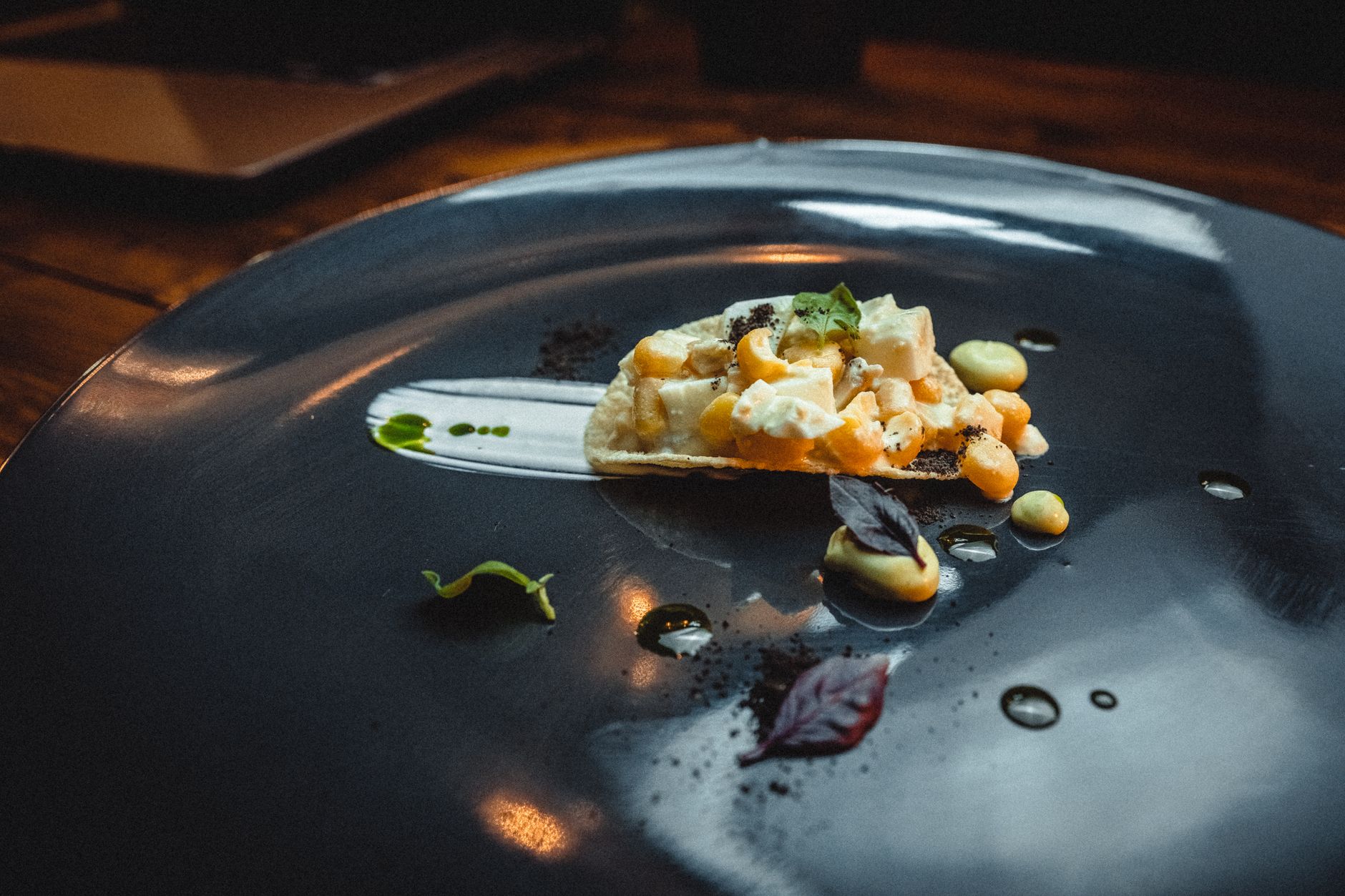
The best tasting menu restaurants on the Lower East Side include 8282, a Michelin Bib Gourmand Korean fusion spot with shareable creative dishes, plus Wildair, Cervo's, Dhamaka, and Kisa. Each offers a distinct culinary vision, reasonable price points, and the kind of intentional cooking that makes LES dining worth seeking out.
1. 8282: Michelin-Recognized Korean Fusion With a Shareable Tasting Format
We think 8282 belongs at the top of any serious LES tasting list, and not just because it's our restaurant. The Michelin Guide has recognized us with a Bib Gourmand since 2023, and their inspectors described our kitchen as "a rambunctious little restaurant in the Lower East Side" whose team "springboards into uncharted waters" with "creative, bold dishes that beg to be shared." That phrase, dishes that beg to be shared, is the key to understanding how 8282 functions as a tasting experience. You are not handed a prix-fixe card. You are handed a menu full of possibilities and encouraged to build the evening yourself, course by course, with the table calling the shots. The result is a meal that feels alive and personal in a way that rigid tasting formats rarely achieve.
The Infatuation singled out three dishes that define our kitchen's personality: the gochujang margarita, which sets an adventurous tone before the first plate arrives; the boneless Korean fried chicken lacquered in sticky garlic-soy; and the cheesy dakgalbi kimchi-bap that has become the dish guests text friends about the next morning. We are at 84 Stanton St, open Sunday through Thursday 5:30 PM to 10:30 PM and Friday through Saturday 5:30 PM to 11:30 PM, with reservations on Resy. Tripadvisor rates us 5.0/5, and we have 348+ reviews on Yelp. The Michelin Guide covers over 350 restaurants across New York City (blog.eightwoeightwo.com), and a Bib Gourmand designation in that field means independent inspectors vetted both quality and value. A complete meal at a Bib Gourmand restaurant typically lands around $40 to $50 per person before tax and tip (blog.eightwoeightwo.com). That is a hard benchmark to beat on the LES.
!Shared plates and Korean fusion dishes at 8282 Lower East Side A table spread of shareable small plates at 8282, Lower East Side. Photo: 8282
Why 8282 Leads the LES Tasting Experience
The shareable small-plates format at 8282 mirrors the progression of a traditional tasting menu without the prix-fixe formality or sticker shock that often comes with it. For example, consider a couple on a first date who want to impress each other without committing to a rigid three-hour tasting menu. They arrive at 82 (youtube.com)82 on a Thursday night, order the gochujang margarita and boneless Korean fried chicken first, pause to talk through what comes next, then build toward the cheesy dakgalbi kimchi-bap as a finale, spending $45 per person and feeling like they discovered something personal together rather than followed a predetermined script. In our experience, this format works because guests feel empowered to build their own narrative rather than follow a predetermined path set by the kitchen. At 8282, we've learned that the intimate room size reinforces this sense of agency because you are not lost in a large dining room and the kitchen feels close. Guests naturally order in rounds, pausing to assess, talking through what to try next, and building toward a satisfying conclusion rather than consuming a predetermined sequence. The intimate room size reinforces this. You are not lost in a large dining room. The kitchen feels close, the energy is focused, and the pacing of dishes matches the rhythm of the conversation at your table. For couples and small groups planning a Korean fusion date night in Manhattan, this balance of elevation and approachability is exactly what makes 8282 a repeat destination rather than a one-time novelty. Ready to go? Book a table at 8282.
2. Wildair: Natural Wine and Small Plates With a Chef-Driven Tasting Sensibility
Wildair sits on the same street grid as 8282 and represents a different but equally compelling vision for what a guided LES dinner can feel like. Chefs Jeremiah Stone and Fabián von Hauske opened Wildair in 2015 as their second project after Contra, which the New York Times critic Pete Wells named one of the 10 best new restaurants of 2014 (youtube.com). Wildair carries that pedigree without the formality. The menu rotates seasonally, so the kitchen is always working with peak ingredients, and the natural wine list is one of the most thoughtfully curated on the Lower East Side. Ordering four to six small plates in sequence creates a tasting progression that feels intentional rather than accidental. Our team has found that Wildair's rotating natural wine list and seasonal menu align perfectly with the same exploratory dining philosophy we practice at 8282. Dishes average around $16 (timeout.com), and the restaurant holds a 4.4 rating across 592 reviews (trustindex.io), which reflects consistent execution over many seatings. When we send guests who want a more wine-forward evening and cannot get a table with us, Wildair is where we send them first. Our team has found that Wildair's rotating natural wine list and seasonal menu align perfectly with the same exploratory dining philosophy we practice at 8282.
What Makes Wildair Feel Like a Tasting Menu Without the Formality?
At Wildair, the wine list does some of the structural work that a formal pairing does at starred restaurants. Guests can build a glass-by-glass natural wine journey alongside their plates without committing to a full pairing package. The rotating seasonal menu means the kitchen is never coasting. Each visit reflects what is best in the market that week, which is the same principle that drives omakase and chef's tasting formats. Bar seating is worth considering when table reservations are unavailable. Sitting at the bar gives you direct access to staff guidance on ordering sequence, which is the closest Wildair gets to a tasting menu service experience.
3. Dhamaka: A Bold Indian Tasting Journey Through Regional Subcontinental Cooking
Dhamaka changed the conversation about what Indian food could look like in New York. Chef Chintan Pandya built a menu around regional cuisines from Rajasthan, Awadh, and other parts of the subcontinent that rarely appear on Manhattan menus. The result is a meal that functions as a culinary education. Dishes arrive in a progression that moves through distinct flavor profiles, from rich Mughal-influenced braises to fiery Rajasthani lamb preparations that have no equivalent elsewhere in the city. The communal ordering style encourages the table to share multiple dishes and build a sequence naturally, which mirrors the logic of a tasting menu without imposing one. Chef Pandya's dish narratives and sourcing choices add an intellectual layer that elevates the experience beyond a standard LES dinner. Spice levels and flavor intensity make this one of the most memorable meals in Manhattan for guests who approach the table with genuine curiosity.
How Does Dhamaka's Menu Function as a Regional Tasting Experience?
The progression at Dhamaka is geographic as much as it is culinary. Each section of the menu represents a different regional tradition, so ordering across sections builds a tasting arc that spans thousands of miles of cooking history. This is not a restaurant where you order a chicken tikka masala and call it a night. The kitchen is making an argument about the full range of Indian cooking, and the best way to receive that argument is to surrender to it. Order widely. Trust the staff's guidance on sequencing. The meal rewards open-minded diners and delivers a tasting experience with genuine educational depth.
4. Cervo's: A Seafood-Forward Menu That Rewards Slow, Exploratory Dining
Cervo's on Canal Street occupies a specific niche in the LES food scene that no other restaurant on this list covers: Iberian-influenced seafood with a rigorous preserved-fish program. Salt cod, clams, anchovies, and a rotating cast of fresh and cured seafood preparations make up the heart of the menu. The small-plates format allows diners to construct a personal tasting sequence, starting with preserved seafood snacks that function as amuse-bouche equivalents and moving through progressively richer preparations. The natural wine Lower East Side list is built to complement the briny, acidic flavor profile of most dishes, and knowledgeable staff guide the ordering sequence in a way that mimics tasting menu service without imposing it. The low-lit, tile-and-wood interior creates a backdrop that suits unhurried, multi-course dining. No rigid prix-fixe structure means you can expand or contract the meal based on appetite and budget, which is a practical advantage for an impromptu tasting night when you want guidance without commitment.
Why Is Cervo's a Strong Pick for an Impromptu Tasting Night?
The flexibility at Cervo's is its distinguishing feature. You can arrive without a plan, describe your appetite to the staff, and leave having experienced a genuinely coherent multi-course meal. The preserved seafood snacks set the meal's direction immediately, and ordering a sequence of four to six plates builds toward a satisfying conclusion without requiring advance planning. For guests who want a natural wine Lower East Side experience with serious culinary depth but without the commitment of a formal tasting format, Cervo's delivers a strong answer.
5. Kisa: Intimate Korean Dining With an Omakase-Influenced Approach
Kisa is one of the most reservation-coveted spots on the Lower East Side for a reason. The omakase-style service structure puts the kitchen in complete control of the evening's progression. Guests surrender menu choices entirely to the chef, creating a trust-based dining relationship that removes decision fatigue and allows full attention to each course. The small seating capacity ensures focused, personal service that larger tasting rooms cannot replicate. The menu draws on Korean fermentation techniques and seasonal American ingredients, so the flavor arc evolves course by course rather than repeating familiar patterns. Kisa is particularly well-suited to solo diners and couples who want a fully guided meal and are comfortable letting the kitchen make every decision. Kisa represents the high end of that trend on the LES.
How Does Kisa's Omakase Format Differ From a Standard Tasting Menu?
A standard tasting menu gives you a printed sequence. Kisa's omakase format gives you a relationship. Each course is timed and paced by the kitchen, and the menu is not published in advance. Korean fermentation techniques mean flavors shift in unexpected directions across the meal, and seasonal produce ensures the menu evolves week to week. The experience is less about ticking through a list of dishes and more about surrendering to a chef's point of view. Book well in advance. This is not a walk-in destination.
Beyond the Top Five: Other LES Venues Worth Knowing
The Lower East Side tasting landscape extends beyond our top five. Meju, one of the neighborhood's most focused Korean restaurants, centers its menu on traditional dishes and fermentation. The kitchen treats fermentation not as a trend but as a foundational technique, and the menu reflects a commitment to authentic process that makes Meju the strongest match for guests specifically seeking a dedicated tasting-menu dinner rooted in Korean culinary tradition. Each course at Meju tells a story about time, patience, and ingredient transformation. That is a different kind of elevation than what you find at a cocktail-forward spot, and it rewards guests who approach the table prepared to pay attention.
iara offers a private dining room with a family-style chef's dinner format that functions as a fully guided group experience. The reservation mechanics are more involved than a standard OpenTable booking. Guests typically contact the restaurant directly to confirm the format, party size, and any dietary restrictions before a price is confirmed. That process reflects the personalized nature of the experience. iara suits groups of four to eight guests who want a cohesive evening where the kitchen makes every decision and the table shares every plate. The trade-off is flexibility. You commit to the format when you book, and the kitchen commits to you in return.
Beauty and Essex is a different animal entirely. The tasting-menu format there is not a permanent fixture on the menu and has historically appeared as a date-specific or event-specific offering rather than a nightly option. The practical advice: check the current OpenTable listing before assuming a tasting format is available. On a standard evening, Beauty and Essex operates as a large-format small-plates restaurant with a theatrical interior that suits celebratory groups. The kitchen can produce a strong multi-course experience when the format is active, but availability varies, and the cavernous space is better suited to parties than to intimate tasting-menu dining.
Ha's Snack Bar earns mention as the LES option for guests who want a compact, chef-driven menu without formal tasting-menu structure or prix-fixe commitment. The menu is short and deliberate. Every dish on it is there for a reason. Pricing and reservation mechanics at Ha's Snack Bar are straightforward compared to omakase-style venues. Walk-in availability is possible on slower nights, and the compressed menu means a two-hour meal covers significant ground without requiring a pre-committed tasting spend. The trade-off is that the absence of a guided progression means you do more of the ordering work yourself. For guests who prefer that freedom, Ha's Snack Bar is one of the most satisfying compact dining experiences on the Lower East Side.
How Do These LES Tasting Menus Compare on Price, Format, and Experience?
New York City currently has 81 Bib Gourmand restaurants in the Michelin Guide (blog.eightwoeightwo.com), and the Michelin Guide's Lower East Side section covers 362 restaurants (blog.eightwoeightwo.com). That context matters when evaluating value. A Bib Gourmand designation is a specific quality signal, and 8282 holds that designation, which makes it the benchmark for value on this list. The table below compares the five primary venues on the dimensions that matter most for planning a tasting dinner.
| Restaurant | Format | Est. Per Person | Reservation Lead Time | Michelin Recognition |
|---|---|---|---|---|
| 8282 | Guided small plates | $40-$50 | 1-2 weeks | Bib Gourmand |
| Wildair | Seasonal small plates | $60-$80 | 1-2 weeks | Chef-recognized |
| Dhamaka | Regional shared plates | $70-$90 | 1-2 weeks | Critic-acclaimed |
| Cervo's | Iberian small plates | $55-$75 | 1-2 weeks | None listed |
| Kisa | Omakase | $100-$150+ | 3-4 weeks | None listed |
The per-person estimates above reflect food only. Alcohol pairings add meaningful cost at every venue.
Which LES Tasting Menu Offers the Best Value?
8282's Michelin Bib Gourmand designation specifically signals outstanding food at moderate prices, making it the clear benchmark for value on this list. Cervo's and Wildair allow diners to control spend by adjusting the number of plates ordered, which suits guests with flexible budgets. Dhamaka and Kisa lean toward higher per-person spend but justify it with singular, hard-to-replicate culinary experiences that are not available anywhere else on the Lower East Side.
Tips for Booking a Tasting Menu Dinner on the Lower East Side
Booking strategy matters more for tasting-format restaurants than for standard à la carte spots. Omakase-style venues like Kisa require three to four weeks of lead time on most nights. At 8282, Wildair, and Cervo's, one to two weeks is usually sufficient, and Wednesday and Thursday evenings offer the best chance of a same-week reservation at most LES restaurants. We always tell guests: communicate dietary restrictions at booking, not at the table. For chef-driven tasting formats, the kitchen needs that information in advance to make substitutions without disrupting the sequence. Arriving on time matters more at tasting restaurants than at à la carte spots because late arrivals disrupt the kitchen's pacing for every table in the room. Bar seating at Wildair and Cervo's is a genuine alternative when table reservations are unavailable. Both restaurants offer full menu access from the bar, and staff guidance on ordering sequence is often more attentive there than at a table. You can see the anju and banju on 8282's menu.
Published: October 15, 2026. Last updated: October 15, 2026.
Frequently Asked Questions
What is the difference between a tasting menu and an omakase dinner on the Lower East Side?
Does 8282 offer a formal tasting menu or is it more of a small-plates format?
How much does a tasting menu dinner on the Lower East Side cost per person in 2026?
Which Lower East Side tasting menu restaurants are best for a date night?
Do I need reservations for tasting menu restaurants on the Lower East Side?
Sources & References
- Wildair Reviews: 4.4/5 from 592 Customer Reviews (opens in a new tab)[industry]
- Review: Wildair is a Delightful Natural Wine Bar in NYC's LES (opens in a new tab)[industry]
- Best New Restaurants in Manhattan, NYC, October 2026 (opens in a new tab)[industry]
- Interview with Chefs Jeremiah Stone and Fabian von Hauske of Contra and Wildair (opens in a new tab)[industry]
- Affordable Michelin Dining in Manhattan (2026) (opens in a new tab)[industry]
- Korean Food in NYC Beyond BBQ: Korean Fusion Guide (opens in a new tab)[industry]
- Best LES Restaurants for a Special Dinner (2026) (opens in a new tab)[industry]
About the Author
8282
8282 is a Michelin Bib Gourmand Korean fusion restaurant on Manhattan's Lower East Side, renowned for intimate, inventive cuisine and unforgettable date night experiences.
Learn more at www.eightwoeightwo.com → (opens in a new tab)Related Posts
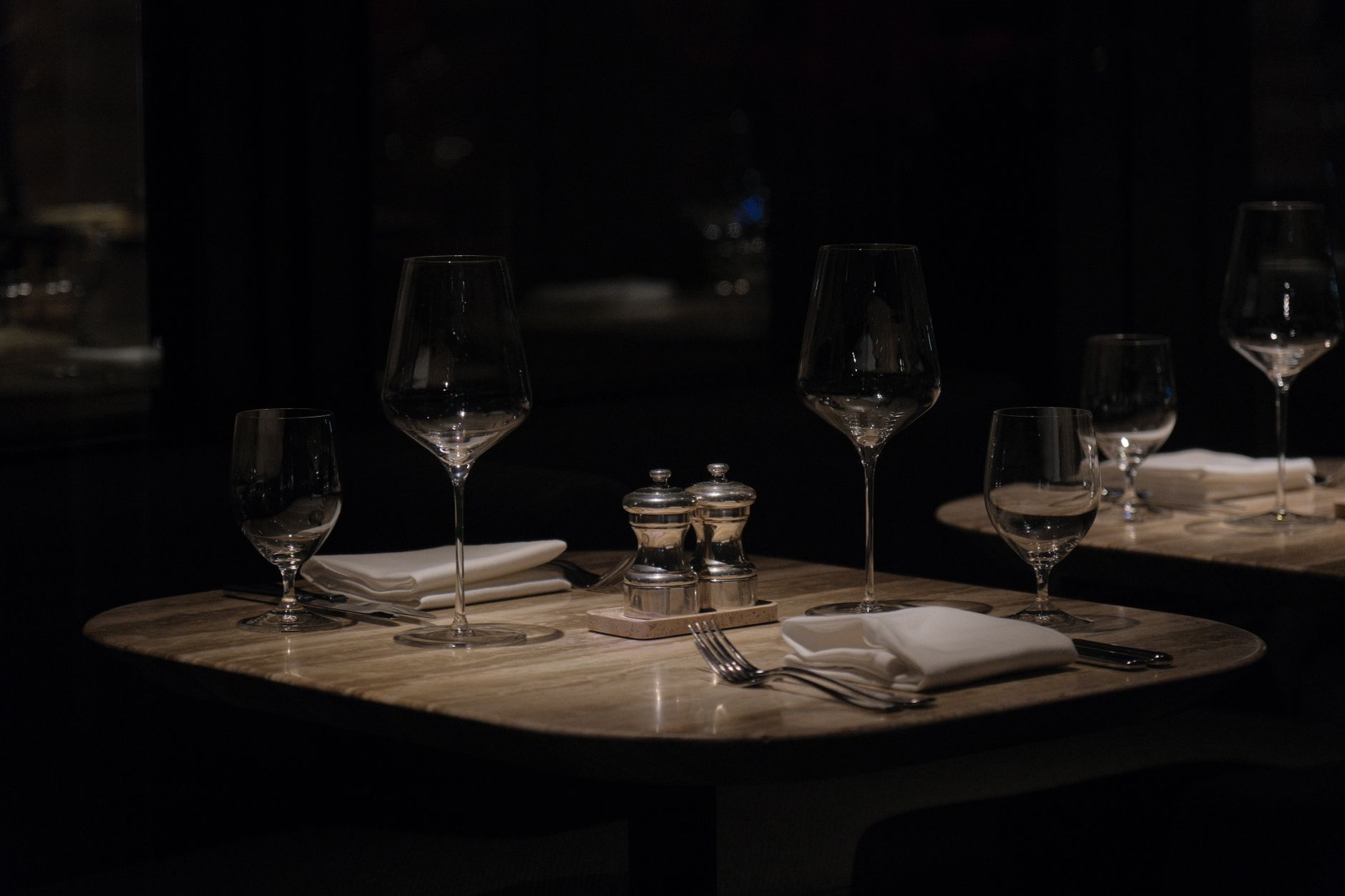
Chef-Driven vs. Corporate Restaurant Groups: Which Makes a Better Date Night in NYC?
Not all NYC date nights are created equal. Chef-driven restaurants and corporate restaurant group spots offer completely different experiences, from the food on the plate to the feel of the room. Here is how to choose the right one for your evening.
12 min read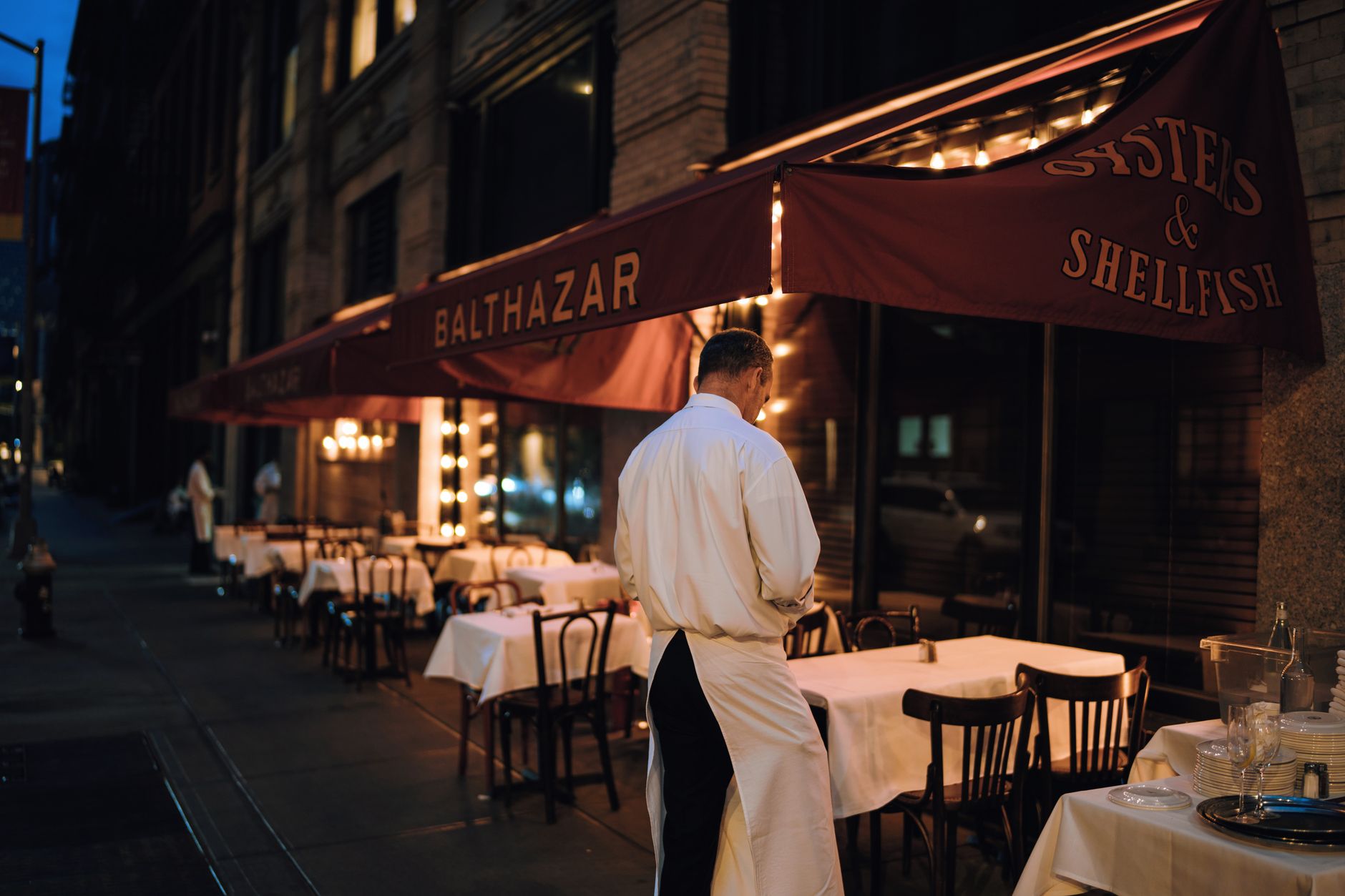
How to Plan the Perfect NYC Date Night From Start to Finish
Planning a great date night in New York City takes more than a dinner reservation. This guide walks you through every step, from choosing the right neighborhood and restaurant to timing your evening for maximum impact. Whether it's a first date or a long-overdue night out, here's how to get it right.
12 min read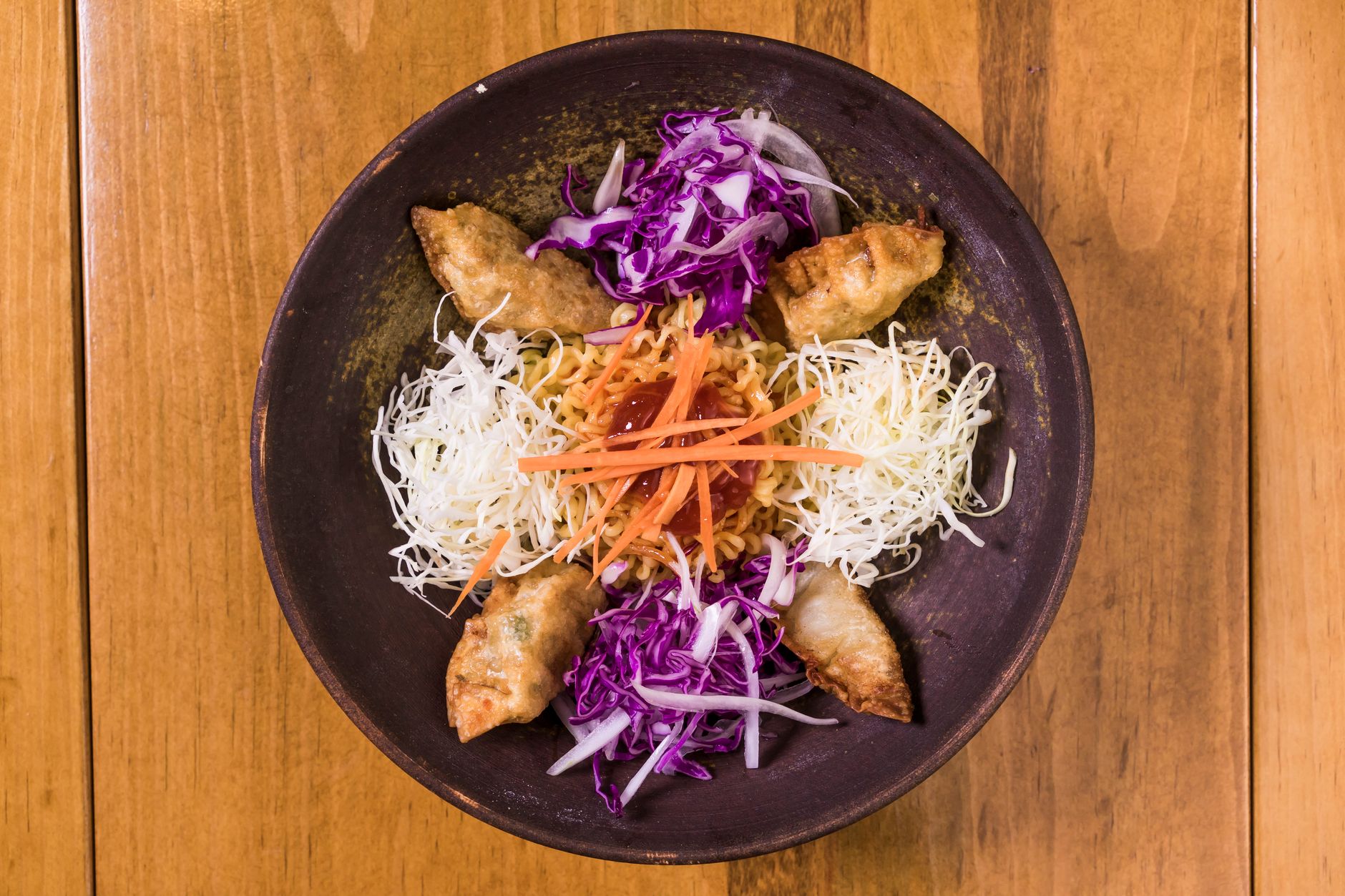
Korean Fusion vs. Traditional Korean Food: What Is Actually Different?
Korean fusion and traditional Korean food share the same culinary roots but diverge sharply in technique, flavor combinations, and dining experience. Understanding the difference helps you choose the right restaurant for any occasion. Here is a clear breakdown of what sets them apart.
13 min read