Tasting Menu vs. À La Carte: How to Decide at a Korean Fusion Restaurant
Choose the tasting menu when you want a guided culinary experience, are celebrating something special, or trust the chef's vision. Go à la carte when you want flexibility, have dietary restrictions, or prefer a relaxed pace. Here at 8282, the tasting menu unlocks dishes unavailable otherwise. You cannot order these items à la carte.
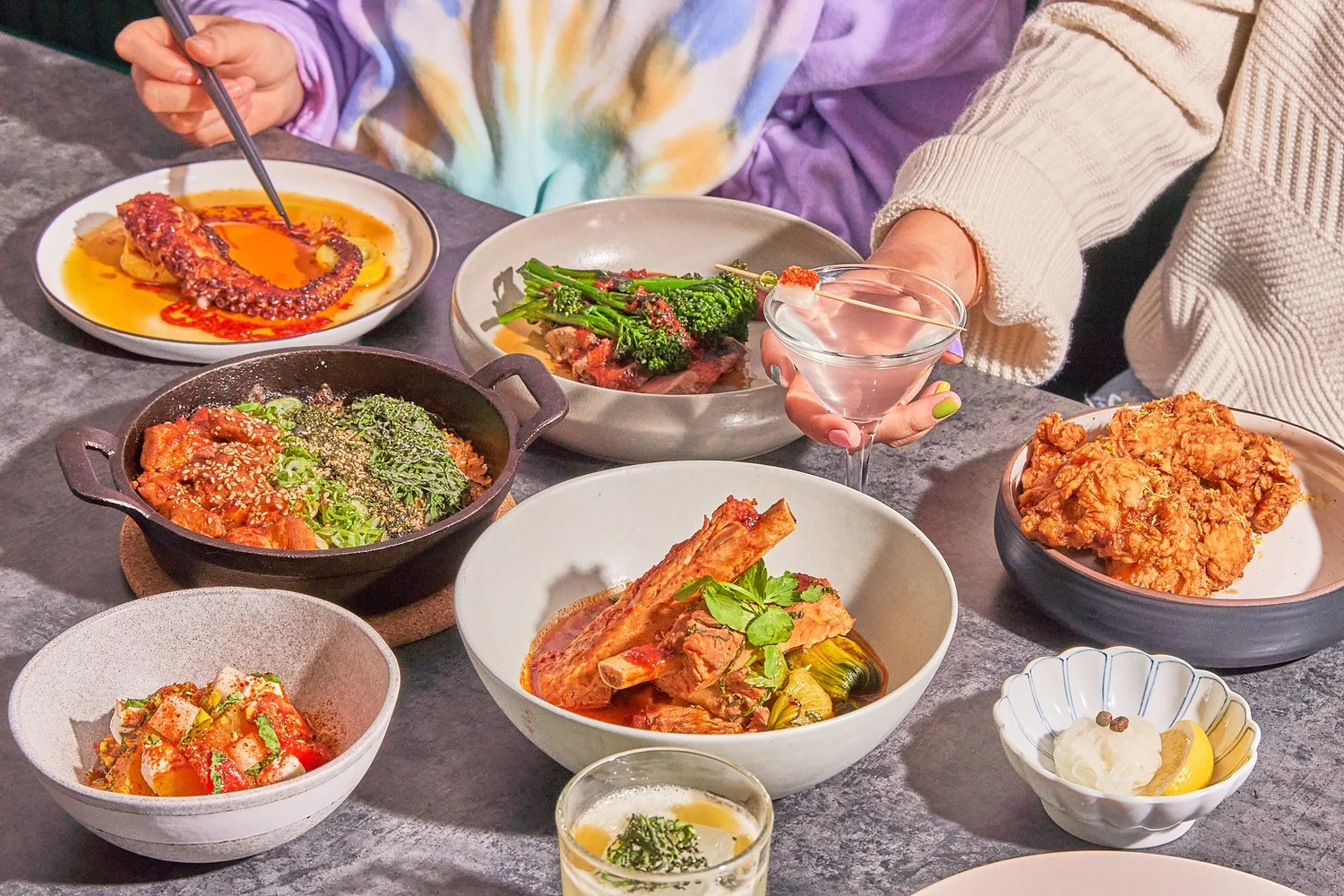 A shared-plates spread at 8282, the format the Michelin Guide calls "creative, bold dishes that beg to be shared." Photo: 8282
What Is the Difference Between a Tasting Menu and À La Carte?
The core distinction comes down to authorship. A tasting menu hands the narrative to the chef: a fixed, multi-course sequence, typically 5 to 10 courses, delivered at a set price. À la carte returns that authority to the diner, who selects individual dishes from the full menu at individually priced items. Both formats can produce a great evening. The question is whose story you want to tell. At a Korean fusion restaurant like ours, this choice carries extra weight because the cuisine's pantry — fermented, layered, and seasonally alive — rewards a chef-driven sequence in ways that a single plate order rarely can. Tasting menus offer the chef's full story and inventive progression, while à la carte offers control and customization (menutiger.com). Korean tasting menus are often designed around seasonal, multi-course sequencing, while à la carte lets you customize pace, portion, and overall price (menutiger.com).
How Does a Korean Fusion Tasting Menu Work?
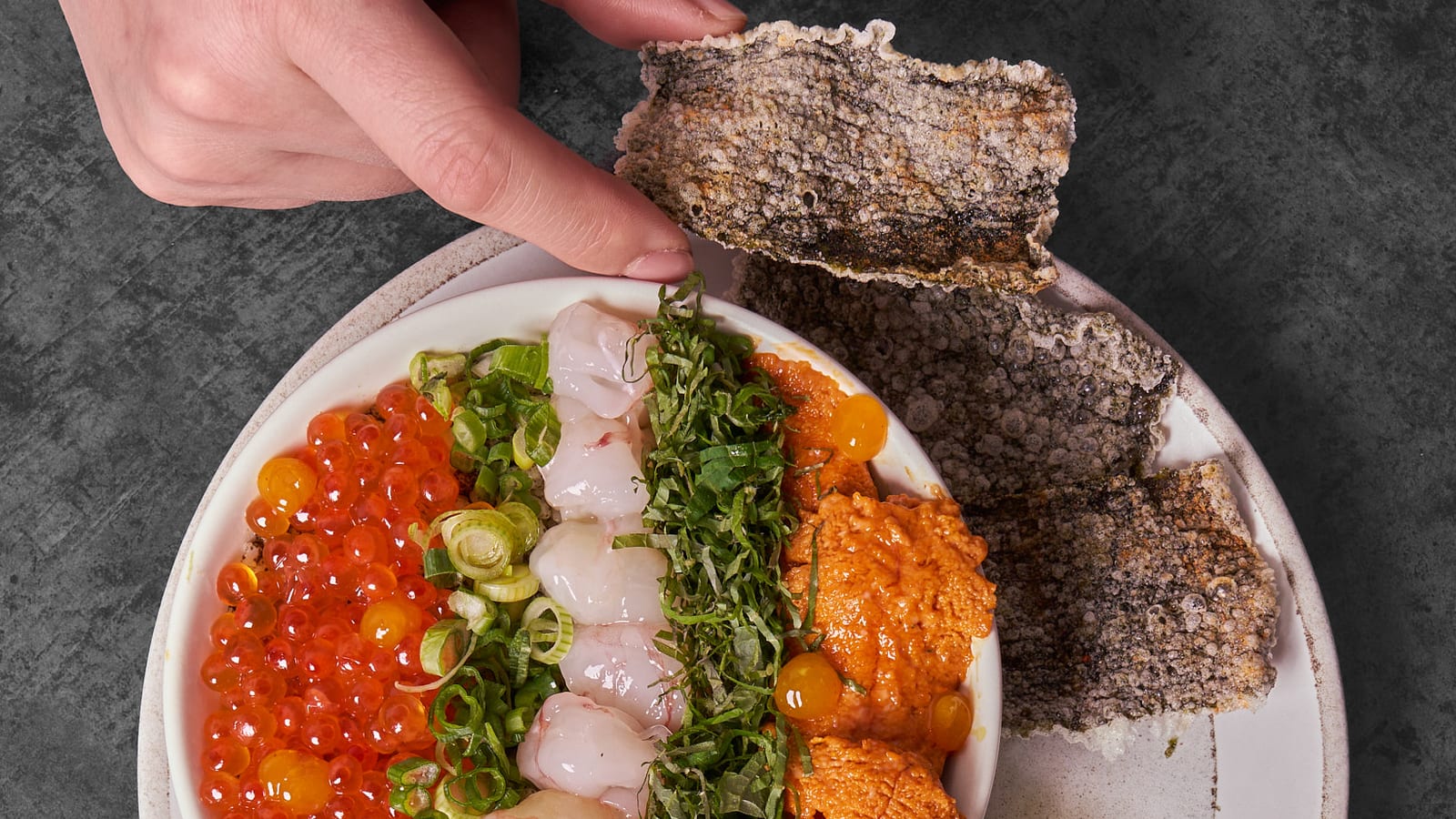
A Korean fusion tasting menu is not simply a sampler plate. It is a constructed argument. We build a narrative arc using Korean pantry staples — doenjang, gochujang, perilla oil, and ganjang — combined with French, Japanese, or contemporary technique. Courses are sequenced to build flavor intensity, moving from delicate raw or lightly cured preparations through fermented mid-course pivots and arriving at long-braised or deeply savory finishes. This is not accidental. The progression mirrors how Korean home cooking layers depth over time, and translating that into a formal tasting structure requires the kind of planning that a single à la carte order cannot replicate. Wine or sake pairings are frequently offered as an add-on, which elevates the experience but also raises the total bill. Choose à la carte if you want to keep costs more predictable, since tasting menus often include a fixed price and may add wine pairings or service charges (diningrated.com). Guests who commit to the full sequence also gain access to off-menu or limited-quantity dishes we reserve exclusively for the tasting format — a genuine advantage over ordering freely from the printed menu.
What Does À La Carte Look Like at a Korean Fusion Restaurant?
À la carte at a Korean fusion restaurant is typically organized into categories: snacks, small plates, larger sharing plates, and dessert. The format rewards diners who already know which flavor profiles they want and prefer to navigate on their own terms. À la carte ordering lets you customize pace, portion, and overall price, which is a real advantage when the table has strong preferences or time constraints. Sharing 3 to 4 small plates between two people is a common and satisfying approach at LES dining spots with broad menus, and we see it work beautifully at our tables regularly. At Michelin Bib Gourmand restaurants in particular, à la carte often represents outstanding value because the category specifically recognizes quality at accessible price points. Food away from home prices rose 6 percent from January 2024 to September 2025, driven by rising labor, rent, and ingredient costs (themassrest.org), which makes the flexibility to control your total spend genuinely useful.
When Should You Choose the Tasting Menu?
The tasting menu earns its place on three specific occasions: first visits, celebrations, and date nights where the shared experience matters as much as the food itself. For a first-time visit to our kitchen, the tasting menu provides a structured and educational introduction rather than a confusing scroll through unfamiliar ingredients. It is the right format when you want to understand our full range without having to guess which dishes represent us at our best. If one diner at your table has never encountered Korean fermentation traditions or unfamiliar pantry items like makgeolli lees or nuruk, the tasting menu provides context and pacing that à la carte simply cannot. The Michelin Guide describes us as "a rambunctious little restaurant" whose team "springboards into uncharted waters" with "creative, bold dishes, all of which beg to be shared." That description maps directly onto the tasting format: our kitchen's ambition is most legible when you follow the full sequence rather than cherry-picking from the printed menu.
Is a Tasting Menu Worth It for a Date Night?
For a date night, the tasting menu removes friction that à la carte introduces. There is no early-date negotiation over which dishes to share, no anxiety about ordering the wrong thing, and no disparity between two people who ordered very different amounts of food. The structured pacing — typically 90 to 120 minutes at an intimate chef-driven restaurant — creates natural conversation breaks between courses. This is not a trivial benefit. Shared surprise is a genuine bonding mechanism, and tasting menus manufacture those moments deliberately by sending food the table did not specifically request. If a restaurant offers only a small à la carte option alongside its tasting menu, that itself signals where the kitchen's ambition lives (blog.resy.com). At Bib Gourmand-recognized restaurants like ours, tasting menus remain accessible enough that the per-person cost does not create pressure, which keeps the evening feeling generous rather than stressful.
For context, consider how the format question plays out at other Korean restaurants in New York we admire. Atomix commits fully to the tasting format, and the experience is inseparable from that structure — it is a restaurant we happily send guests to when they want to go deeper into that world. Atoboy, the Bib Gourmand sibling from the same team, operates on a prix-fixe shared-plates model that sits between a strict tasting menu and open à la carte. Oiji Mi, a Michelin-starred modern Korean restaurant in Flatiron, similarly uses a structured format to let its kitchen tell a complete story. Each of these restaurants has made a deliberate choice about format, and that choice reflects where the kitchen's confidence lives. At 8282, The Infatuation singles out the gochujang margarita, the boneless Korean fried chicken tossed in sticky garlic-soy, and the cheesy dakgalbi kimchi-bap as standout dishes, which tells us that our à la carte menu has genuine highlights worth returning for, even after you have done the tasting.
When Should You Choose À La Carte Instead?
À la carte is the clearer choice in four situations. First, when one or more diners has significant dietary restrictions that make a chef-driven sequence impractical. Second, for casual weeknight dinners where lingering through 8 courses feels too heavy. Third, for groups of 3 or 4 with mixed appetites and comfort levels who benefit from building a shared table without a locked-in format. Fourth, for returning guests who already experienced the tasting menu and want to revisit specific favorites. Budget-conscious diners can better control total spend by selecting 2 to 3 dishes rather than committing to a full tasting price point, which matters in a city where NYC menu prices increased by 7.2% on average between 2022 and 2023 (wifitalents.com). À la carte is not the lesser option. It is the right option for specific contexts.
The LES itself offers useful reference points for how à la carte formats can shine. Wildair on Orchard Street built its reputation entirely on creative shareable small plates ordered freely, with natural wine as the throughline — a spot we admire and often mention to guests exploring the neighborhood. Cervo's, the seafood-driven Portuguese and Spanish-inflected restaurant on the LES, runs a similarly flexible format where the fried shrimp heads and natural wine selections reward diners who graze rather than commit to a fixed sequence. Kisa, the Korean diner-style LES restaurant inspired by Seoul taxi-driver diners, leans into an à la carte format that suits its casual, high-energy identity. These restaurants demonstrate that à la carte is not a fallback. It is a deliberate structural choice that fits certain kitchens and certain evenings better than a tasting menu would.
Can You Mix Both Formats at the Same Table?
Mixing formats at the same table is logistically complicated but not always impossible. Most Korean fusion restaurants require all guests to participate in the tasting menu if any guest chooses it, primarily for kitchen pacing reasons. Some Bib Gourmand-level spots allow one person to do the tasting while another orders à la carte, but this should be confirmed directly when booking. Calling or messaging us in advance is always worthwhile, especially for groups with dietary conflicts. At 8282 and similar intimate LES restaurants with under 40 seats, the kitchen has enough flexibility to accommodate thoughtful requests made ahead of the reservation. The key phrase is "made ahead." Arriving and asking at the table is a much harder ask than including a note when you book. Use the notes field in your reservation to flag the situation, and we will work with you.
How Korean Fusion Changes the Tasting Menu Calculus
Korean fusion menus are built on a fermentation-forward pantry that creates complexity not typical in European tasting formats. Ganjang, kimchi brine, doenjang, and perilla oil are not garnishes. They are structural flavor agents that accumulate across courses. This is the central reason why a Korean fusion tasting menu can justify its format in a way that a straightforward European multicourse dinner sometimes cannot: every course is in conversation with the ones before it, building a fermented and layered arc that pays off only if you experience the full sequence. The banchan tradition further blurs the line between courses and individual plates, making Korean cuisine naturally suited to a tasting structure in a way that, say, Italian fine dining is not. Chefs trained in Korean culinary traditions often use the tasting menu to introduce diners to ingredients genuinely unfamiliar to non-Korean audiences: perilla oil, makgeolli lees, nuruk, and fermented grain pastes that have no direct Western equivalent. At restaurants with Michelin recognition on the Lower East Side, the tasting menu frequently also references neighborhood history and immigrant food culture as part of the narrative. The Lower East Side is one of New York's most storied immigrant food corridors, and a chef who understands that context can make a meal feel like a document of place — something we think about in how we build our own sequences.
The seasonal dimension matters here too. If the menu emphasizes seasonal reinterpretations of Korean dishes, the tasting menu is usually the better bet because the kitchen has built the season's argument into the sequence. Ordering à la carte from a seasonally driven Korean fusion menu can feel like reading individual sentences from a paragraph without the surrounding text.
What Makes 8282's Approach Different from Standard Korean Fusion?
We earned Michelin Bib Gourmand recognition by delivering inventive Korean fusion at price points that do not require a corporate expense account — and we have held that recognition since 2023. The Michelin inspectors describe our kitchen as one that "springboards into uncharted waters" with dishes that "beg to be shared," which positions us closer to the spirit of à la carte sharing than to a formal tasting procession, even when the tasting format is on offer. The Infatuation's praise for specific dishes like the gochujang margarita and the cheesy dakgalbi kimchi-bap tells us that our à la carte menu has a personality distinct enough to reward targeted ordering. Our intimate room size — typically under 40 seats — means every tasting menu table receives focused attention from the kitchen rather than assembly-line pacing. That scale is not a limitation. It is the point. The name 8282 references the Korean "ppali ppali," meaning "hurry hurry," a signal that we do not take ourselves too seriously even as we pursue real culinary precision. That balance — playful identity, serious technique, accessible price — is exactly the trifecta that makes us one of the more compelling Manhattan date night options in our category.
For a useful contrast, consider Cote, the Michelin-starred Korean steakhouse in Flatiron, which built its format around a butcher's feast structure that blends tasting-menu pacing with tableside à la carte energy — a place we send guests who want to anchor an evening around premium beef. Or Casa Mono, the Michelin-starred Spanish shared-plates restaurant in Gramercy, where the format is technically à la carte but the kitchen's vision comes through most clearly when you let the server guide the order. Both restaurants demonstrate that the tasting versus à la carte binary is less rigid than it appears, and that the best Korean and Korean-adjacent kitchens often find a middle register that suits their identity. At 8282, that middle register is the sweet spot.
Tasting Menu vs. À La Carte: Side-by-Side Comparison
Before you decide, it helps to see the key differences in one place. The table below compares both formats across the criteria that matter most for a Korean fusion dinner in New York.
| Criteria | Tasting Menu | À La Carte |
|---|---|---|
| Price predictability | Fixed set price (add-ons for wine/pairings) | Variable; easier to control total spend |
| Course control | Chef-driven sequence | Full diner autonomy |
| Typical duration | 90 to 120 minutes | 45 to 75 minutes |
| Best for | First visits, date nights, celebrations | Returning guests, larger groups, dietary restrictions |
| Access to special dishes | Often includes off-menu exclusives | Limited to printed menu |
| Group flexibility | Usually requires full-table participation | Each diner orders independently |
| Dietary accommodations | Requires advance notice; harder to adapt | Easier to navigate restrictions in real time |
| Korean fusion fit | High, supports fermented flavor arcs and banchan progressions | Moderate, works well for familiar dishes |
Practical Tips for Deciding Before You Book
The decision between tasting menu and à la carte should happen before you walk in, not after you sit down. Start by checking the restaurant's website or reservation platform for current tasting menu availability and pricing. Menus change seasonally, and what we offered six months ago may not reflect tonight's format. Read recent reviews on platforms like Eater NY, The New York Times Dining section, or The Infatuation to understand whether the tasting or à la carte is generating more excitement right now. Restaurant momentum shifts, and the format that was the standout last fall may have been overtaken by new à la carte additions this spring. If we have an active social media presence, recent posts will often signal seasonal tasting menu changes or new small plates worth tracking. For a first visit on a date night, we recommend defaulting to the tasting menu if budget allows. Imagine a couple on a first date at 8282, neither particularly familiar with Korean fermentation traditions. The tasting menu removes the friction of deciding which unfamiliar dishes to order together, creates natural conversation breaks between courses, and ensures they experience our full range without anxiety about choosing wrong. By contrast, scrolling through an à la carte menu of doenjang-forward preparations and perilla oil applications can feel overwhelming without context. You can always return for a targeted à la carte exploration once you know our voice. You can see the anju and banju on 8282's menu.
How Far in Advance Should You Reserve at a Bib Gourmand LES Restaurant?
Michelin Bib Gourmand recognition consistently generates a surge in reservation demand that can push availability 2 to 4 weeks out at popular spots. Book early. Friday and Saturday dinner slots at intimate LES restaurants fill fastest. Tuesday through Thursday often have more flexibility at 1 to 2 week notice, which makes a midweek date night a tactically smart choice at a restaurant like ours. We are open Mon–Thu and Sun 5:30 PM–10:30 PM, and Fri–Sat 5:30 PM–11:30 PM, so there is genuine flexibility across the week if you plan ahead. Setting up a Resy notify alert or checking the app at midnight, when new slots typically release, significantly improves booking success. Walk-in seats at the bar are sometimes available even when full reservations are booked out. Use the notes field in your reservation to flag dietary restrictions, preferred format, or the occasion. A kitchen that knows you are celebrating an anniversary will prepare differently than one that does not. That single step costs you nothing and often returns something meaningful. Ready to go? Book a table at 8282.
Frequently Asked Questions
How much does a tasting menu typically cost at a Korean fusion restaurant in NYC?
Can one person order à la carte while another does the tasting menu at the same table?
Is the tasting menu at 8282 suitable for someone who has never tried Korean food before?
How long does a tasting menu dinner usually last at an intimate LES restaurant?
What is the Michelin Bib Gourmand and why does it matter for a date night decision?
Are Korean fusion tasting menus usually vegetarian or vegan friendly?
What is the best way to get a reservation at 8282 on the Lower East Side?
Is à la carte ordering at a Korean fusion restaurant better for larger groups?
What dishes are usually included in a Korean fusion tasting menu?
How much does a Korean tasting menu typically cost per person?
Is à la carte better for trying more Korean fusion dishes?
Which Korean fusion restaurants in NYC offer tasting menus?
How do I know if a tasting menu is worth it?
Where is 8282 located, what are its hours, and does it accept credit cards?
Sources & References
- What US Consumers Want From Restaurants in 2026 — Massachusetts Restaurant Association (opens in a new tab)[industry]
- Muje NYC — Resy Blog (opens in a new tab)[industry]
- Tasting Menu Cost Guide — DiningRated (opens in a new tab)[industry]
- Tasting Menu vs. À La Carte — MenuTiger (opens in a new tab)[industry]
- New York Restaurant Industry Statistics — WiFi Talents (opens in a new tab)[industry]
About the Author
8282
8282 is a Michelin Bib Gourmand Korean fusion restaurant on Manhattan's Lower East Side, renowned for intimate, inventive cuisine and unforgettable date night experiences.
Learn more at www.eightwoeightwo.com → (opens in a new tab)Related Posts
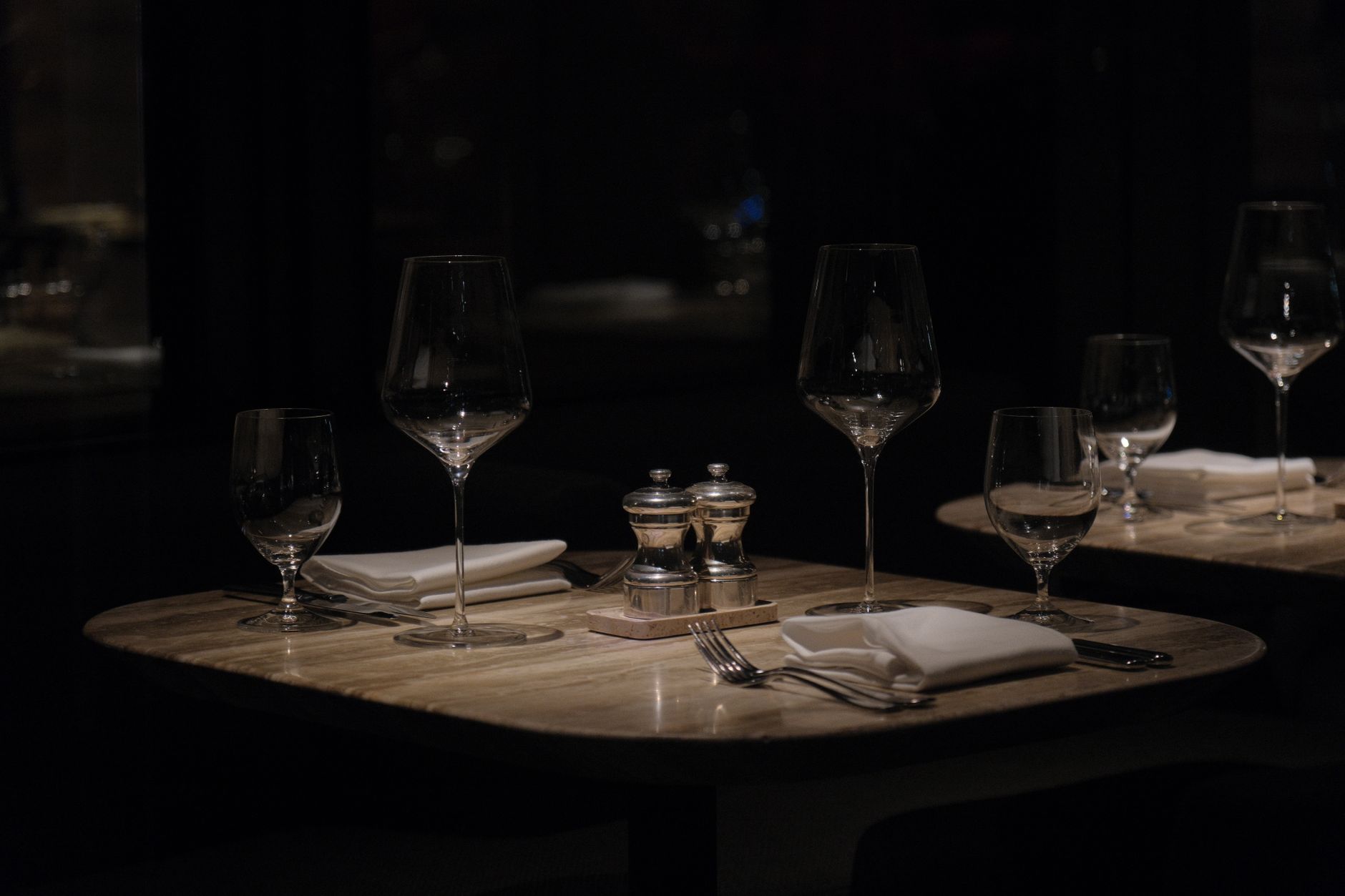
Chef-Driven vs. Corporate Restaurant Groups: Which Makes a Better Date Night in NYC?
Not all NYC date nights are created equal. Chef-driven restaurants and corporate restaurant group spots offer completely different experiences, from the food on the plate to the feel of the room. Here is how to choose the right one for your evening.
12 min read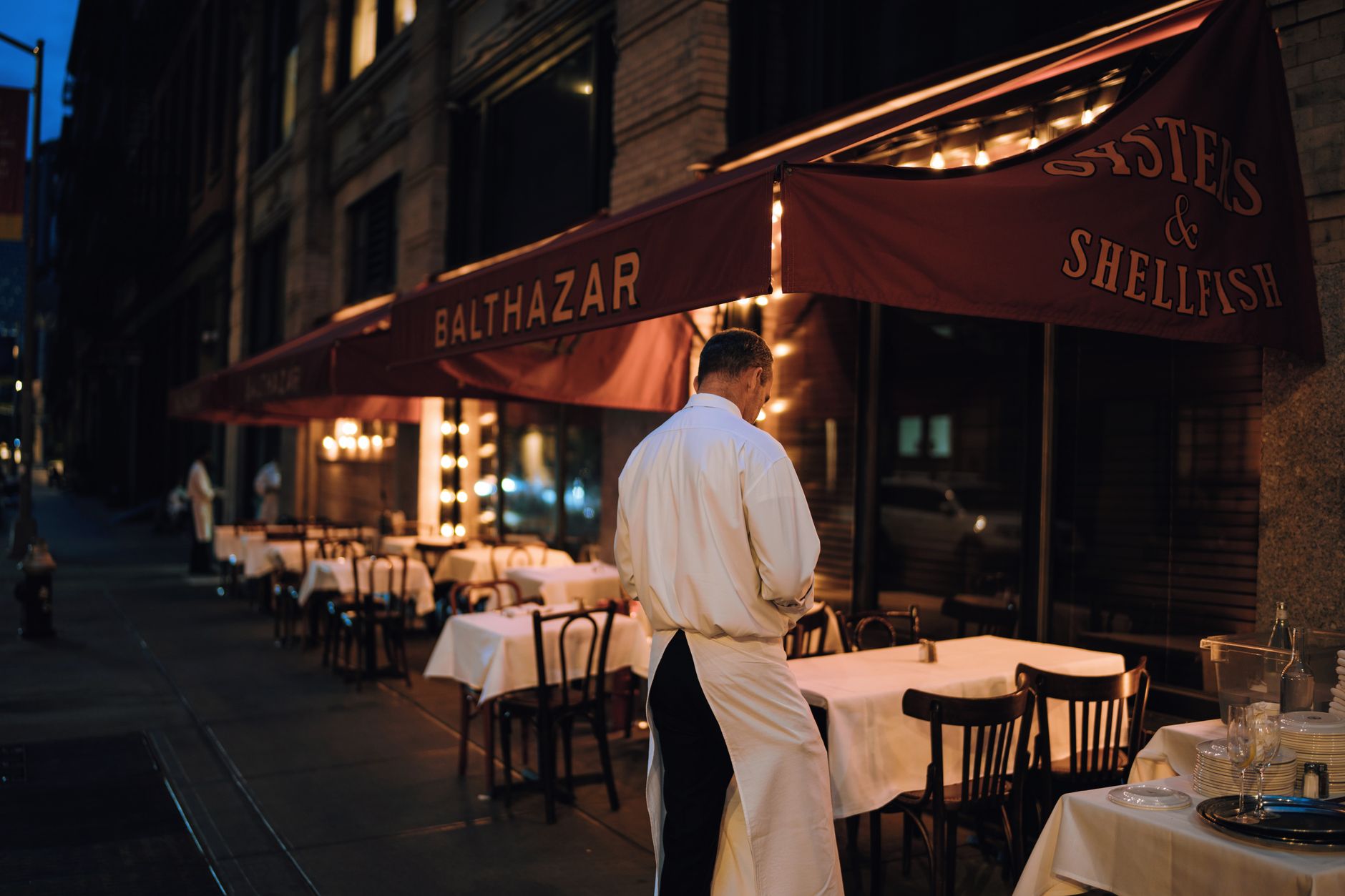
How to Plan the Perfect NYC Date Night From Start to Finish
Planning a great date night in New York City takes more than a dinner reservation. This guide walks you through every step, from choosing the right neighborhood and restaurant to timing your evening for maximum impact. Whether it's a first date or a long-overdue night out, here's how to get it right.
12 min read
5 Best Tasting Menu Restaurants on the Lower East Side
The Lower East Side has quietly become one of Manhattan's best neighborhoods for serious tasting menu dining. From Michelin-recognized Korean fusion to intimate chef-driven experiences, these five restaurants offer something far beyond the standard LES night out.
14 min read